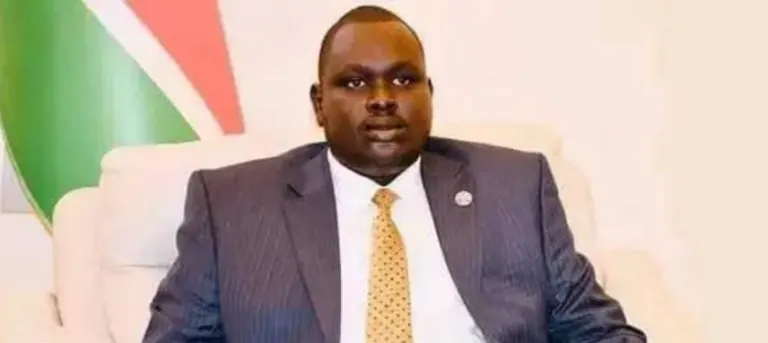
South Sudan has entered a decisive phase in its troubled political transition, with President Salva Kiir dissolving the Revitalized Transitional Government of National Unity on September 22 and moving the country into a caretaker arrangement, just three months before elections scheduled for December 22. The decision followed amendments to the electoral law that removed requirements linking elections to completion of a permanent constitution and a national census.
The government says the changes clear the way for the long-delayed vote, but opposition groups argue that the changes were made without sufficient consultation and have called for a broader political process. The main question now is whether the country can create enough political confidence for an election to function as a mechanism of political transition rather than another trigger for confrontation.
The Revitalized Agreement on the Resolution of the Conflict in South Sudan was designed to bring former adversaries into a power-sharing government and prepare the country for elections, but its implementation has repeatedly fallen behind schedule. The latest dissolution of the unity government has effectively ended the power-sharing arrangement that defined the transitional period.
The position of Dr Riek Machar Teny, the former first vice-president and leader of the SPLM-IO, has become inseparable from this question. Dr. Machar has remained under house arrest since March 2025 and faces charges including treason and murder, which he denies. His detention has become a key issue in the peace process and a point of contention over whether the political opposition can participate meaningfully in the country’s transition.
The African Union has called for the immediate resumption of direct political dialogue without preconditions, the release of political detainees, an end to hostilities and military mobilization, and inclusive, consensus-driven dialogue. The United Nations Commission on Human Rights in South Sudan has warned that elections conducted amid political confrontation, restricted civic space, weak institutions and inadequate safeguards could deepen instability.
The National Elections Commission has warned that it is running short of time and resources, and the European Union has said it has not seen a clear electoral budget or detailed assessment of the resources required. The commission’s chairperson was also removed only weeks before the scheduled election, a decision that generated questions about the legal process and the impact on preparations.
To move forward, inclusive dialogue should address core disputes that have prevented the transition from becoming a settled political process, including the status of political detainees, the security environment, political freedoms, electoral administration, constitutional questions and the relationship between the signatories of the peace agreement.
Key points
- The African Union has called for the immediate resumption of direct political dialogue without preconditions.
- The release of political detainees, including Dr. Riek Machar Teny, is a key issue in the peace process.
- The United Nations Commission on Human Rights in South Sudan has warned that elections conducted amid political confrontation could deepen instability.