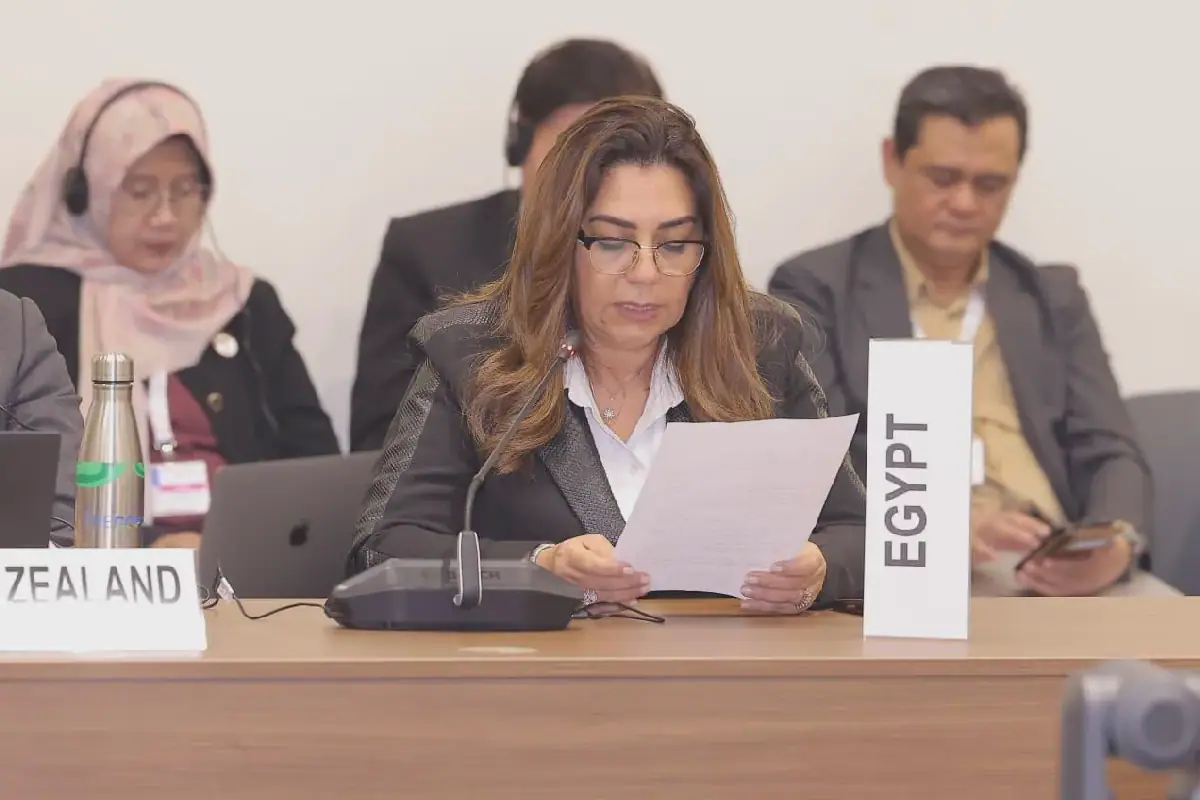
Egyptian Environment Minister Manal Awad recently spoke at a ministerial dialogue titled “From Transparency to Action” at COP31 in Antalya. She emphasized that climate transparency requirements should go beyond reporting to help improve policymaking, direct investment, and support implementation. Awad stressed that this should be achieved without placing additional burdens on developing countries. Her remarks highlighted the need for a balanced approach to climate transparency.
Awad mentioned that Egypt is strengthening its national transparency system. The country is preparing and submitting its first Biennial Transparency Report (BTR1), alongside improvements in monitoring, reporting, and verification systems. Egypt is also working on enhancing climate data quality and coordination among national institutions. These efforts aim to improve the country's ability to report on its climate actions and progress.
According to Awad, the main value of transparency reports lies in using their findings to shape climate policies. These reports help identify mitigation and adaptation priorities, assess progress towards nationally determined contributions (NDCs), and direct investment towards priority measures. By leveraging transparency reports, countries can make informed decisions and take effective climate actions.
Awad called for stronger links between the Enhanced Transparency Framework and the second Global Stocktake (GST2). She emphasized that national data should contribute to assessments of collective progress towards the goals of the Paris Agreement. This would help identify gaps requiring international cooperation and ensure that countries are working together to address climate change.
Awad noted that successful implementation of the transparency framework in developing countries depends on adequate financial, technical, and technological support. These countries also need stronger institutional and human capacities to effectively implement the framework. Awad stressed that differences in national circumstances and capabilities must be taken into account.
To ensure that reporting requirements do not become an additional burden on developing countries, Awad emphasized the need for a tailored approach. This approach should consider the unique circumstances and capabilities of each country. By doing so, countries can implement the transparency framework effectively without facing undue challenges.
Awad reaffirmed Egypt’s readiness to continue sharing its experience with other countries and international partners. The goal is to transform transparency from a tool for measuring progress into an instrument for supporting implementation and strengthening climate action. Egypt's efforts aim to support the global transition to a more sustainable and climate-resilient future.
Key points
- Egyptian Environment Minister Manal Awad calls for climate transparency to improve policymaking and direct investment without burdening developing countries.