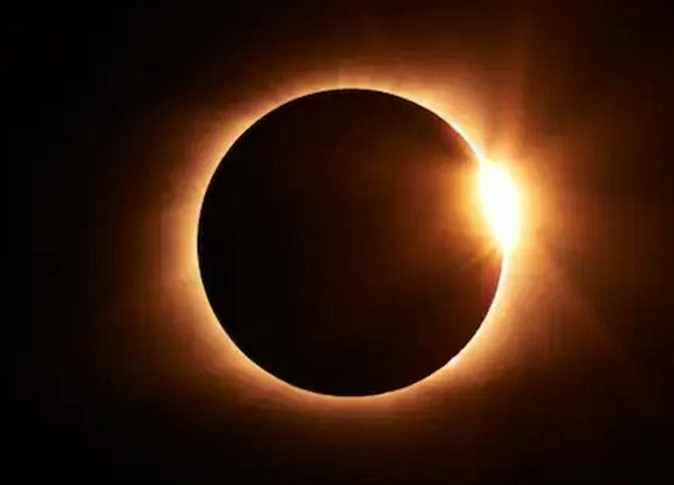
Egypt is preparing for a rare astronomical event on August 2, 2027, as the total solar eclipse passes through several regions of the country, causing the sun to disappear completely behind the moon for several minutes. The eclipse's total duration in Luxor will be approximately 6 minutes and 22 seconds. According to NASA, the eclipse's path will stretch from southern Spain and northern Africa, passing through Morocco, Algeria, Tunisia, Libya, and Egypt, before continuing to Saudi Arabia and Yemen.
The total solar eclipse of 2027 is notable for its exceptional duration, with data from Time and Date describing it as the second-longest total solar eclipse of the 21st century, following the eclipse on July 22, 2009. In Egypt, the partial eclipse will begin around 11:19 am, while the total eclipse phase will start in specific regions along the path around 12:39 pm and end around 1:22 pm, with varying durations and timing across different areas.
Not all regions of Egypt will experience the total solar eclipse, as the path of totality is limited to specific areas. Some of the prominent Egyptian cities and regions where the total eclipse can be observed include Luxor, with a duration of approximately 6 minutes and 22 seconds, and a peak eclipse around 1:05 pm local time. Other locations include Asyut, with a duration of around 6 minutes and 8 seconds, and Siwa Oasis, which will witness around 5 minutes and 31 seconds of total eclipse.
The point of greatest eclipse is located in southern Egypt, approximately 50 kilometers east of ancient Luxor, where the duration of totality will reach around 6 minutes and 24 seconds. In contrast, Cairo will experience a partial eclipse but will not be within the path of totality. Other regions outside the path of totality, such as Hurghada, will also observe a partial eclipse.
Several Arab countries will be traversed by the path of the total solar eclipse, including Egypt, Libya, Saudi Arabia, and Yemen. Other Arab countries will experience a partial eclipse, depending on their geographical location. Observers are advised to use specialized and safe solar viewing glasses when watching the eclipse and to avoid direct viewing of the sun during partial phases without proper protective equipment.
The 2027 total solar eclipse offers a rare opportunity for scientific research and public observation. As the event approaches, authorities and astronomical organizations are expected to provide guidelines and viewing events for the public. The eclipse is also anticipated to draw tourists and astronomy enthusiasts to regions within the path of totality.
Key facilities and observatories in Egypt are likely to play a significant role in documenting and studying the eclipse. With its extensive duration and visibility across several regions, the 2027 total solar eclipse is poised to be a spectacular and scientifically valuable event for Egypt and the broader astronomical community.
Key points
- The total solar eclipse of 2027 will be the longest in the century, with a duration of over 6 minutes in some regions of Egypt.
- The path of totality will pass through several regions of Egypt, including Luxor, Asyut, and Siwa Oasis.
- Observers are advised to use specialized solar viewing glasses to safely watch the eclipse.