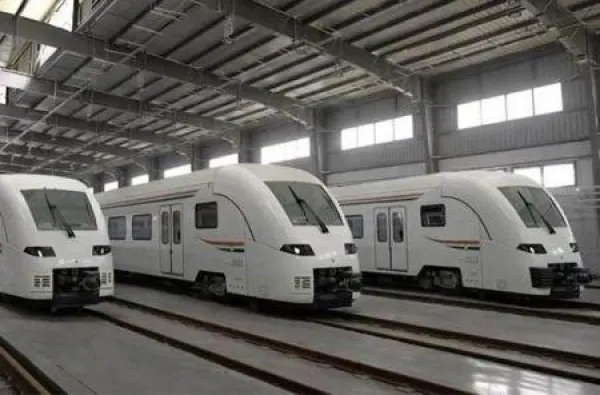
Egypt is set to embark on a new era in its railway system with the commercial launch of its first high-speed electric railway line in July 2027. The line, spanning approximately 660 km, will connect Ain Sokhna on the Red Sea to Marsa Matrouh on the Mediterranean, passing through major urban centers such as Cairo and Alexandria. This project is the first phase of a larger plan to develop a comprehensive high-speed electric railway network.
The new railway network aims to alleviate the pressure on Egypt's existing railway system, which is facing saturation on certain main lines. According to Kamel Al-Wazir, Minister of Transportation, the primary existing line is already operating at full capacity, limiting the possibility of adding new tracks or increasing train frequency. The development of new infrastructure in desert areas around the Nile Valley will create additional capacity without relying solely on the historical network.
The high-speed railway project is part of a broader modernization program initiated by the Egyptian authorities several years ago. The program includes renovating existing infrastructure, acquiring new rolling stock, and developing new electric lines. The goal is to reduce congestion in major cities while improving travel safety. The Egyptian railway network, one of the oldest in the world, spans around 10,000 km, with much of its infrastructure dating back to the 19th century.
The modernization of the conventional network is expected to increase its capacity to around 2 million passengers per day by 2030. Additionally, the new high-speed electric railway will cater to an estimated 2.5 million passengers daily. The program also focuses on freight transportation, with a target of 13 million tons of goods per year. This will enable the railway to play a more significant role in transporting goods between industrial zones, urban centers, and port infrastructure.
The transformation of Egypt's railway system relies on two complementary pillars: modernizing the historical network to improve performance and building new infrastructure to expand overall capacity. However, the success of the new system depends on its ability to integrate with the existing network, ensure efficient connections with other modes of transportation, and achieve the necessary ridership levels to justify the investments made.
The construction of multiple railway lines simultaneously poses significant challenges in terms of financing, operation, and maintenance. The Egyptian government aims to create a more efficient logistics system and accelerate economic diversification. The high-speed electric railway project is a crucial component of this strategy, as it will connect major economic and urban centers, promoting economic growth and development.
The Egyptian authorities are committed to investing in the development of their railway infrastructure, with the goal of creating a more efficient, safe, and reliable transportation system. The launch of the high-speed electric railway line by 2027 marks a significant milestone in this effort, and the project's success will be closely monitored to ensure that it meets its objectives and contributes to Egypt's economic growth.
Key points
- Egypt to launch its first high-speed electric railway line by July 2027.
- The new railway network aims to alleviate pressure on Egypt's existing railway system.
- The project is part of a broader modernization program to improve transportation infrastructure in Egypt.