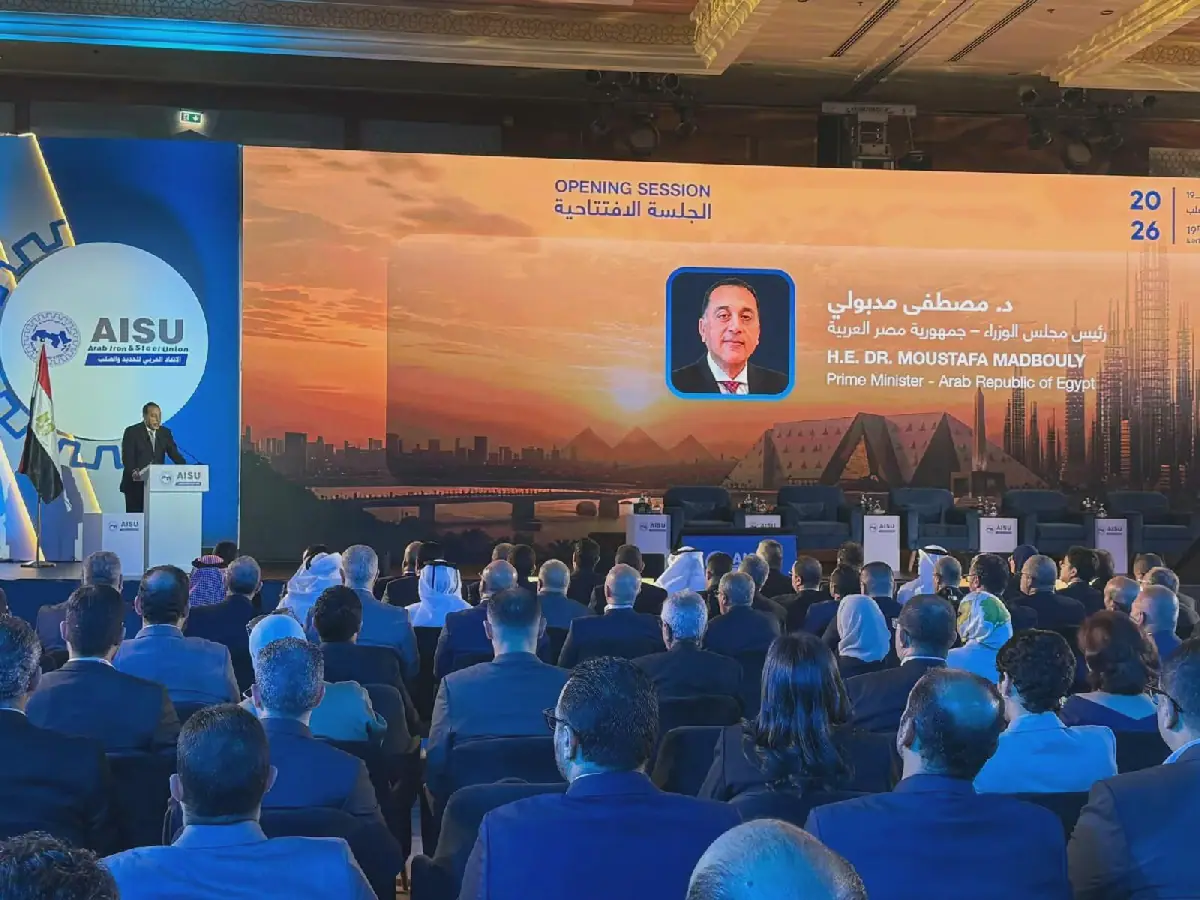
Egyptian Prime Minister Mostafa Madbouli has announced plans to establish a new institutional entity to enhance coordination between the government and steel producers in Egypt. This move aims to support the country's steel industry, which is a significant sector in the Egyptian economy. The announcement was made during Madbouli's opening speech at the 19th Arab Steel Summit in Cairo. The summit brings together key stakeholders from the steel industry in Egypt and the Arab world to discuss the latest trends and challenges facing the sector.
Madbouli emphasized the importance of the steel industry in Egypt, citing its substantial contribution to the country's economy and its potential for growth. He noted that the government is committed to supporting the industry through measures such as reducing production costs, improving energy efficiency, and addressing the impact of global economic trends. The prime minister also highlighted the need for the industry to adapt to changing global trade patterns and to enhance its competitiveness in regional and international markets.
The proposed institutional entity will serve as a liaison between the Ministry of Industry and steel companies in Egypt. Its responsibilities will include conducting economic and financial studies, analyzing market trends, and providing specialized consultations. The entity will also be tasked with identifying future challenges and opportunities for the industry, which will inform policy decisions and enhance the efficiency of the sector. This initiative is part of the government's efforts to develop a more robust and competitive steel industry in Egypt.
Madbouli also stressed the importance of human resource development in the steel industry. He noted that the government is committed to providing training and education programs to equip workers with the necessary skills to meet the demands of the industry. The government aims to increase employment opportunities in the sector to 7 million workers by 2030. To achieve this goal, the government is working with the private sector to establish 10 technical schools that will provide training in steel production and related fields.
The prime minister expressed his appreciation for the expertise and skills of Egyptian workers in the steel industry, highlighting their significant contributions to the sector's growth and development. He emphasized the need to continue leveraging these skills to drive progress in the industry and to enhance its competitiveness in regional and international markets. The government's efforts to support the steel industry are part of its broader strategy to promote economic growth and development in Egypt.
The 19th Arab Steel Summit, which is being held in Cairo, provides a platform for stakeholders from the steel industry to discuss the latest trends and challenges facing the sector. The summit aims to promote cooperation and knowledge sharing among industry players and to identify opportunities for growth and development. Madbouli welcomed participants to the summit, expressing his hope that the discussions would yield practical outcomes that would support the development of the steel industry in Egypt and the Arab world.
The establishment of the new institutional entity is expected to play a crucial role in supporting the growth and development of the steel industry in Egypt. By enhancing coordination between the government and steel producers, the entity will help to promote a more competitive and sustainable industry. This, in turn, is expected to contribute to Egypt's economic growth and development, while also creating new opportunities for employment and investment in the sector.
Key points
- The Egyptian government plans to establish a new institutional entity to coordinate between the government and steel producers in Egypt.
- The entity will serve as a liaison between the Ministry of Industry and steel companies, conducting studies and providing consultations to inform policy decisions.
- The government aims to increase employment opportunities in the steel sector to 7 million workers by 2030.