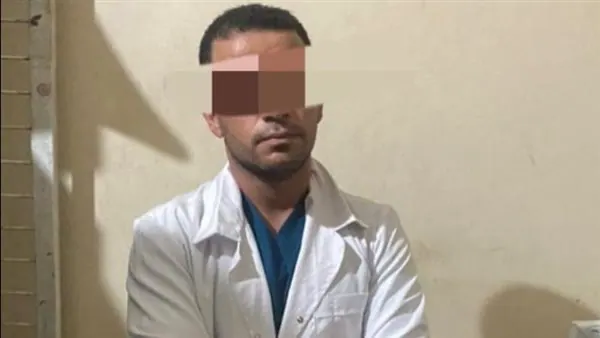
In recent months, Egyptian authorities have uncovered multiple cases of individuals impersonating doctors and running unlicensed clinics. One such case involved a man who posed as a psychologist and operated a clinic in Cairo's Ain Shams district without a license. Investigations revealed that he had no academic qualifications and was in possession of a forged university certificate and several fake ID cards.
Another case involved a man named Abdel Tawab Hamad Tahawi, who had been impersonating a doctor for nearly 20 years. He had opened six clinics in various villages and had even set up a laboratory. Despite having been rejected from medical school multiple times, Tahawi continued to practice medicine, putting countless lives at risk.
A more brazen case involved a man named Walid Ghanimi, who impersonated a heart surgeon for over a decade. Using forged documents, Ghanimi extracted national ID cards with fake professional data and received patients at a clinic in downtown Cairo. His deception went undetected for years, highlighting the ease with which fake doctors can operate in Egypt.
The problem of fake doctors and unlicensed clinics extends beyond Cairo. In the city of Fayyum, authorities arrested a man with a diploma in industrial studies who was accused of impersonating a doctor and writing prescriptions at an unlicensed facility. Similarly, in Beni Suef, a young man with a degree in agriculture posed as a doctor at a university hospital, sparking concerns about patient safety.
To combat the issue, the Egyptian Medical Syndicate has introduced a new system allowing patients to verify a doctor's credentials online. Patients can now search for a doctor by name or specialty to ensure they are registered with the syndicate. The syndicate is also working on a system to identify doctors using a smart code and QR code, and has established a mechanism for receiving complaints about suspected fake doctors.
The Ministry of Health and Population has also launched campaigns to crack down on unlicensed medical facilities and fake doctors. The ministry has established a system for licensing and coding non-government medical facilities and has set up a hotline for receiving inquiries and complaints about healthcare services. However, many patients remain unaware of the risks and do not take adequate precautions to verify a doctor's credentials before seeking treatment.
Experts warn that the consequences of impersonating a doctor can be severe, not only for the patient but also for the perpetrator. Patients who seek treatment from unlicensed practitioners risk receiving substandard care, while those who impersonate doctors face penalties and imprisonment. As the number of fake doctors and unlicensed clinics continues to grow, Egyptian authorities must work to raise awareness and prevent these crimes from occurring in the first place.
Key points
- Egyptian authorities have cracked down on individuals impersonating doctors and operating unlicensed clinics.
- The Egyptian Medical Syndicate has introduced a system allowing patients to verify a doctor's credentials online.
- The Ministry of Health and Population has launched campaigns to crack down on unlicensed medical facilities and fake doctors.