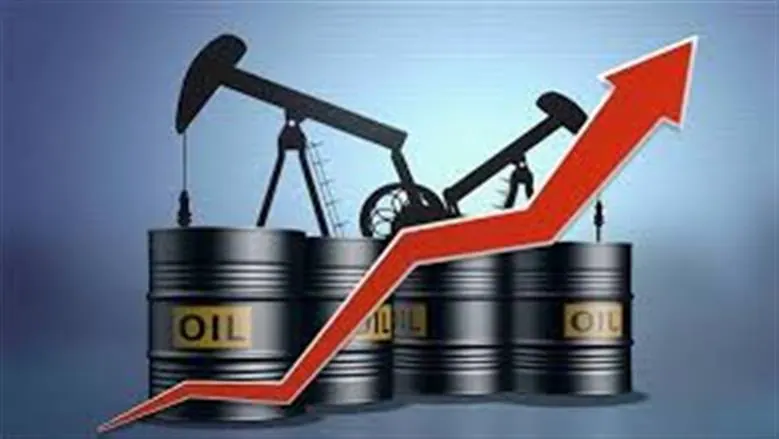
According to a report by Bloomberg, the price of Brent crude oil has increased by over 3%, exceeding $106 per barrel. This information was relayed by the Cairo News Channel in a breaking news update. The rise in oil prices is being closely monitored by global markets. Egypt, being a significant player in the international oil market, is likely to be impacted by these fluctuations. The country's economy, heavily reliant on oil imports, may face challenges due to the increased prices.
The recent surge in oil prices can be attributed to the ongoing tensions in the Middle East. The region's instability has raised concerns about potential disruptions in oil supplies, leading to an increase in prices. Furthermore, the global demand for oil has been steadily increasing, contributing to the upward trend in prices. Egypt, as a major importer of oil, will need to navigate these challenges to mitigate the impact on its economy.
In recent weeks, oil prices have experienced significant fluctuations. Prior to the current surge, Brent crude had been trading at around $100 per barrel. The prices had dropped by over 1% following reports of an Iranian proposal to reopen the Strait of Hormuz, a critical waterway for oil exports. However, the current rise has pushed prices to a six-week high, reflecting the ongoing volatility in the global oil market.
The impact of rising oil prices on Egypt's economy is a pressing concern. The country has been working to reduce its reliance on oil imports by increasing its domestic production and investing in renewable energy sources. However, the recent surge in prices may pose challenges to these efforts. The Egyptian government will need to implement measures to mitigate the impact of higher oil prices on the economy and consumers.
Globally, the rise in oil prices has sparked concerns about inflation and its potential impact on economic growth. The increase in prices has been attributed to various factors, including the ongoing tensions in the Middle East and the steady increase in global demand for oil. As a result, market analysts are closely monitoring the situation to assess the potential implications for the global economy.
Egypt is not the only country affected by the rise in oil prices. Many countries, particularly those heavily reliant on oil imports, are likely to face challenges due to the increased prices. The global economy, still recovering from the pandemic, may face additional pressures due to the surge in oil prices. The situation will require careful monitoring and strategic planning to mitigate the potential impacts.
The current rise in oil prices highlights the need for countries to diversify their energy sources and reduce their reliance on fossil fuels. Egypt, in line with many other countries, has been investing in renewable energy sources, such as solar and wind power. These efforts aim to reduce the country's carbon footprint and mitigate the impact of fluctuations in global oil prices.
Key points
- Egypt's economy may face challenges due to the recent surge in global oil prices, with Brent crude exceeding $106 per barrel.