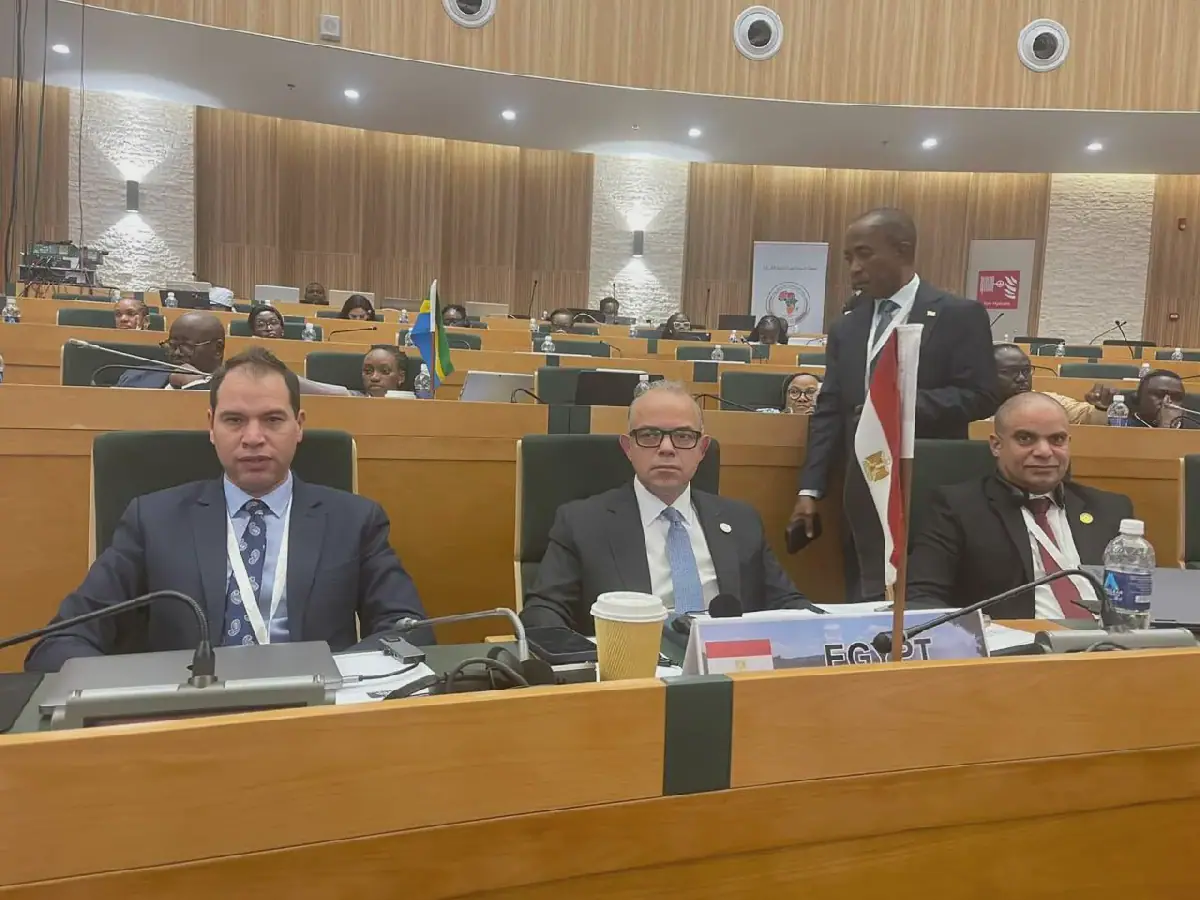
Egypt's Minister of Investment and Foreign Trade, Mohamed Farid, participated in the 19th meeting of the African Continental Free Trade Area (AfCFTA) Council of Ministers in Harare, Zimbabwe. The meeting brought together AfCFTA Secretary-General Wamkele Mene and representatives of regional and international institutions. Farid emphasized that the AfCFTA agreement is crucial for strengthening economic integration among African countries, increasing intra-African trade, and attracting export-oriented investment. He stressed the need to accelerate the agreement's implementation and achieve tangible results.
Egypt's vision for the AfCFTA focuses on strengthening the links between trade, investment, and manufacturing. This approach aims to develop regional value chains, promote local production, and increase private sector participation in economic and commercial activities across African markets. Farid highlighted the importance of creating favorable conditions for Egyptian companies to capitalize on the opportunities offered by the agreement, expand into African markets, and increase exports. He also emphasized the need for investment and trade partnerships with business communities in member states.
The meeting discussed several key issues related to the agreement's implementation, including tariff concession schedules, the removal of non-tariff barriers, and the development of dispute settlement mechanisms. Participants also reviewed progress in implementing protocols on investment, digital trade, intellectual property rights, and women and youth in trade. The meeting addressed developments in negotiations on rules of origin, domestic procedures required to implement the agreement, and the proposed establishment of the African Continental Free Trade Area Holding Company.
The AfCFTA agreement, signed on March 21, 2018, entered into force on May 30, 2019, and commenced trading on January 1, 2021. The agreement encompasses 55 African Union countries, representing a market of approximately 1.3 billion people with a combined GDP of around $3.4 trillion. Its goal is to eliminate trade barriers and liberalize trade in goods and services, strengthening economic integration and enhancing the competitiveness of African economies.
Farid reaffirmed Egypt's commitment to continued coordination with member states and the AfCFTA Secretariat to support the agreement's implementation. He emphasized the importance of enhancing Egyptian exports' access to African markets and creating opportunities to attract joint investment, thereby supporting development and economic integration across the continent. Egypt aims to capitalize on the opportunities offered by the AfCFTA to increase its exports and establish investment and trade partnerships with other member states.
The meeting also heard presentations from several international financial and development institutions on their support for implementing the agreement. Participants discussed the selection of headquarters for the Competition Authority and its associated tribunal. The agreement has the potential to significantly impact African economies, and Egypt is committed to playing an active role in its implementation.
The AfCFTA has the potential to transform African economies by increasing trade, investment, and economic integration. Egypt's efforts to leverage the agreement for investment and trade opportunities reflect its commitment to enhancing its economic presence in Africa. As the agreement continues to be implemented, it is expected to have a positive impact on the continent's economic development and competitiveness.
Key points
- Egypt aims to strengthen the links between trade, investment, and manufacturing under the AfCFTA.
- The AfCFTA agreement encompasses 55 African Union countries, representing a market of approximately 1.3 billion people with a combined GDP of around $3.4 trillion.
- Egypt is committed to continued coordination with member states and the AfCFTA Secretariat to support the agreement's implementation.
Reporting sources
- Egypt seeks to turn AfCFTA into investment, trade opportunities · Daily News Egypt