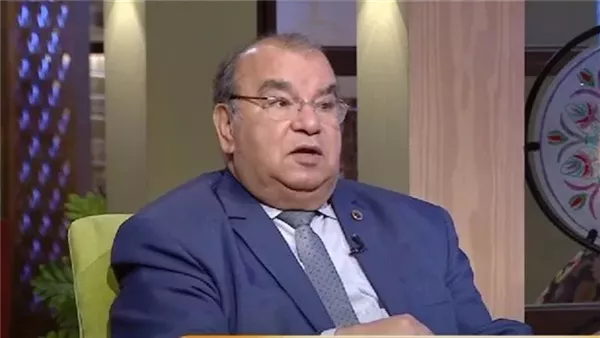
The financial packages of Egypt's university presidents have come under scrutiny, with some receiving large sums of money from various sources. The controversy began when it was revealed that some university presidents were earning millions of pounds annually, sparking concerns about the transparency and fairness of their financial packages. According to Dr. Amin Lotfi, a professor of accounting and auditing, the issue is not just about the amount of money, but also about the lack of transparency and clarity in the way these packages are structured.
Dr. Lotfi, who is also the former president of Beni Suef University, believes that the problem lies in the way the financial packages are designed, with multiple sources of income, including salaries, allowances, bonuses, and fees from various committees and centers. This, he argues, makes it difficult to determine the total amount of money a university president is earning and creates confusion and mistrust among the academic community. He suggests that the financial packages should be simplified and made more transparent, with a clear breakdown of all sources of income.
A fatwa issued on March 10, 2025, by the Egyptian Council of State's Legislative Department has added to the controversy. The fatwa states that the fees earned by university presidents for work done at private universities do not count towards their maximum allowed income. Dr. Lotfi argues that this fatwa should be part of the discussion, but it does not necessarily mean that the fees are not legitimate or should not be disclosed. He believes that the exception from the maximum allowed income does not mean that the fees should not be disclosed.
The establishment of private universities has added a new layer of complexity to the issue. University presidents may now earn fees for work done at these private institutions, which can add to their overall income. Dr. Lotfi argues that these fees should be disclosed and included in the university president's overall financial package. He believes that the key is to ensure that the financial packages are transparent, fair, and accountable.
Dr. Lotfi suggests that one way to resolve the issue is to treat university presidents similarly to ministers, with a clear and transparent financial package. He argues that this would eliminate the confusion and uncertainty surrounding the financial packages and provide a clear and accountable system. This, he believes, would also help to restore trust between the university leadership and the academic community.
The current system has created a situation where university presidents may earn large sums of money from various sources, which can be difficult to track and account for. Dr. Lotfi argues that this creates a perception of unfairness and inequality, particularly among academics who may feel that they are not being fairly compensated. He believes that a more transparent and accountable system would help to address these concerns and promote fairness and equality.
To implement the proposed changes, several steps could be taken, including introducing a clear and transparent system for determining university presidents' financial packages, disclosing all sources of income, and ensuring that the packages are fair and accountable. Dr. Lotfi believes that these changes would help to promote transparency, accountability, and fairness in the way university presidents' financial packages are structured and managed.
Key points
- University presidents' financial packages in Egypt have sparked controversy due to lack of transparency and fairness.
- A fatwa issued on March 10, 2025, has added to the controversy, stating that fees earned by university presidents for work done at private universities do not count towards their maximum allowed income.
- Dr. Amin Lotfi suggests treating university presidents similarly to ministers, with a clear and transparent financial package, to resolve the issue.