Egypt's Ministry of Supply and Internal Trade has confirmed that the country's strategic reserves of essential goods are sufficient for an average of 6 months. This announcement was made by Ahmed Kamal, the ministry's spokesperson, who emphasized that food security is a top priority for the government. The ministry's efforts aim to ensure a stable supply of goods to citizens.
The determination of the strategic reserve's size is based on a study of local consumption rates, production levels, and the country's self-sufficiency ratio. Egypt has diversified its wheat import sources to mitigate the impact of potential disruptions in global supply chains. The number of wheat import sources has increased from just Russia and Ukraine to over 20 countries worldwide, including Bulgaria, France, and Romania.
The National Silos Project, launched in 2014, has significantly increased Egypt's grain storage capacity. The project's implementation has raised the country's storage capacity from 1.2 million tons to over 4.4 million tons. Additionally, the number of silos has increased from 39 to 55, enhancing the country's ability to store and manage its grain reserves.
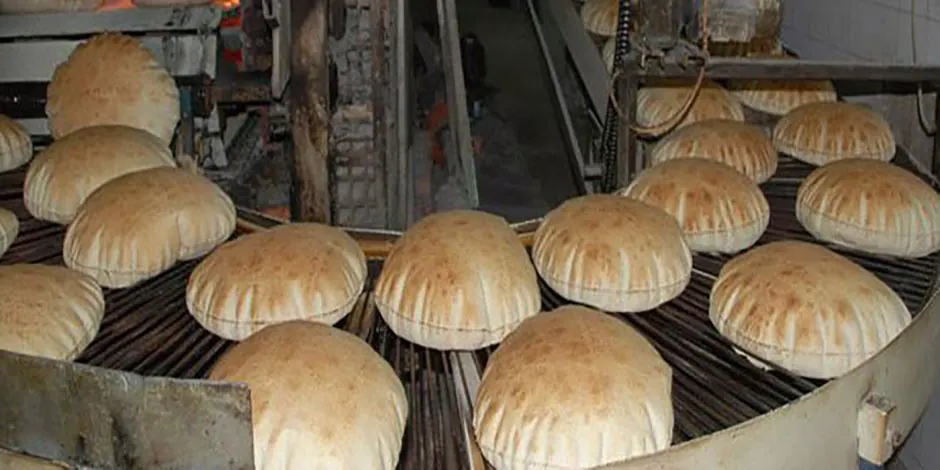
Ahmed Kamal assured the public that there will be no increase in the prices of free bread or "fino" bread. The prices of free bread are currently set at 2 EGP for an 80-gram loaf, 1.5 EGP for a 60-gram loaf, and 1 EGP for a 40-gram loaf. The prices of "fino" bread are 2 EGP for a 50-gram loaf, 1.5 EGP for a 40-gram loaf, and 1 EGP for a 30-gram loaf.
The Ministry of Supply and Internal Trade has reached an agreement with the Grain Industry Chamber to ensure a stable supply of wheat for the production of free flour. The ministry and the chamber will meet monthly to monitor the supply of wheat and ensure that bakeries comply with the set prices and weights.
The ministry has been actively monitoring bakeries and has detected over 3,000 violations since March 2026. These violations include selling bread at higher prices than the official rate or reducing the weight of loaves. Bakeries found guilty of these offenses face penalties, including fines, license revocation, and even imprisonment if the offenses are repeated.
The Ministry of Supply and Internal Trade continues to work to maintain food security and stability in Egypt. The government's efforts focus on ensuring a consistent supply of essential goods and monitoring prices to protect consumers. The strategic reserve provides a safety net in case of future disruptions to global supply chains.
Key points
- Egypt's strategic reserves of essential goods are sufficient for 6 months.
- The country has diversified its wheat import sources to over 20 countries worldwide.
- The Ministry of Supply and Internal Trade has detected over 3,000 violations in bakeries since March 2026.