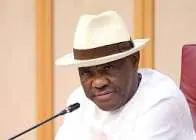
The recent proposal by Nyesom Wike, a PDP governor from Rivers State, to form a Rainbow Coalition has stirred controversy in Nigerian politics. Wike, known for his confidence and ability to navigate complex situations, has been a key figure in the PDP. His plan is to create an alliance that would support President Bola Ahmed Tinubu's re-election, with Wike at the helm. This move has raised concerns among APC governors, who fear it could undermine their influence and the party's chances in future elections.
Wike's experience with the PDP's national convention in May 2022, where he lost the presidential nomination to Atiku Abubakar, has led him to form the G5 or Integrity Group with other PDP governors. The group opposed Atiku's candidacy, citing regional balance within the party. Wike's subsequent actions, including working against the PDP's mainstream campaign, significantly impacted the party's performance in the 2023 elections. His recent confession that they worked to weaken Atiku's chances has sparked debate about his loyalty and motives.
The APC governors, led by Imo State Governor Hope Uzodinma, have expressed opposition to Wike's Rainbow Coalition. They argue that it would undermine the party's re-election efforts and diminish their influence. The APC Governors' Forum has resolved not to participate in or support any alliance that could weaken the party or adversely affect its candidates. This stance has been echoed by the party's National Working Committee, which has declared its commitment to working for APC candidates at all levels.
Wike's plan has also raised concerns about the potential impact on the AbdulAzeez Yari Presidential Campaign Council. Some political pundits believe that Wike's move is driven by a desire for relevance post-2027, as he seeks to position himself for future elections. The success of his plan remains uncertain, with some speculating that it may not achieve its intended aim.
The controversy surrounding Wike's Rainbow Coalition has sparked wider discussions about Nigerian politics and the challenges facing the country's democratic system. The incident at the Minna Government House, where almost 10 people lost their lives struggling to receive ₦5,000, has highlighted concerns about governance and public safety. The use of a living Head of State by a foreign hospital to advertise its expertise in kneecap replacement has also sparked outrage and raised questions about the country's healthcare system.
Wike's relationship with President Tinubu and his influence within the APC have raised concerns about the dynamics of power within the party. As a key figure in the PDP, Wike's actions have significant implications for the country's political landscape. His ability to navigate complex situations and build alliances has earned him a reputation as a shrewd politician.
The outcome of Wike's plan and its impact on Nigerian politics remains to be seen. As the country prepares for future elections, the controversy surrounding the Rainbow Coalition has highlighted the challenges facing the country's democratic system. The reactions of various stakeholders, including APC governors and the party's National Working Committee, will be crucial in shaping the country's political landscape.
Key points
- - Wike's Rainbow Coalition plan has sparked opposition from APC governors and the party's National Working Committee. - The plan has raised concerns about undermining the influence of APC governors and the party's chances in future elections. - Wike's motives and loyalty have been questioned, with some speculating that he is working for his relevance post-2027.