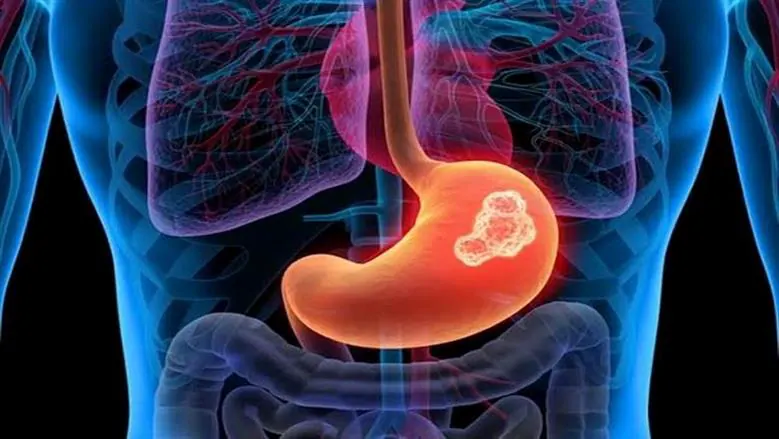
Stomach cancer is a disease that can start with minor symptoms that are often ignored until the condition worsens. It can affect any part of the stomach and may spread to other parts of the digestive system, such as the esophagus or small intestine. According to the Mayo Clinic, there are several risk factors that make some people more prone to stomach cancer than others. Certain symptoms also require attention and should not be ignored.
The symptoms of stomach cancer vary from person to person, especially in the early stages. Common signs include difficulty swallowing, abdominal pain or discomfort, bloating after eating, feeling full quickly after eating small amounts, heartburn, indigestion, nausea or vomiting, unexplained weight loss, fatigue, and dark or black stools. These symptoms can be similar to those of other conditions, making it essential to consult a doctor for proper diagnosis.
Certain groups of people are more susceptible to stomach cancer. Older adults are at higher risk, with most cases occurring in people over 50 years old. Men are also more likely to develop stomach cancer than women, possibly due to hormonal and biological differences. Individuals infected with Helicobacter pylori bacteria, which cause chronic inflammation in the stomach lining, are also at increased risk.
People with certain medical conditions are more prone to stomach cancer. For example, those with pernicious anemia, which affects the body's ability to absorb vitamin B12, are at higher risk. Conditions that lead to low stomach acid, especially when accompanied by chronic changes in the stomach lining, also increase the risk.
Lifestyle factors also contribute to the risk of stomach cancer. Smoking is a known risk factor, and quitting can significantly reduce overall health risks. Additionally, research suggests that people with blood type A may be more likely to develop stomach cancer than those with other blood types. However, having a specific blood type does not guarantee the development of the disease.
Obesity and being overweight are also linked to an increased risk of certain types of stomach cancer, particularly those that occur in the upper part of the stomach near the esophagus. Maintaining a healthy weight and lifestyle can help mitigate these risks. Early detection and awareness of symptoms are crucial in preventing and treating stomach cancer.
While stomach cancer can be challenging to prevent, being aware of the risk factors and symptoms can help with early detection and treatment. High-risk groups, including older adults, men, and those with certain medical conditions or lifestyle factors, should be particularly vigilant. By recognizing the signs and taking proactive steps, individuals can reduce their risk and improve outcomes.
Key points
- Stomach cancer is a significant health concern in Egypt, with certain groups at higher risk.
- Symptoms include difficulty swallowing, abdominal pain, and unexplained weight loss.
- Lifestyle changes, such as quitting smoking and maintaining a healthy weight, can help reduce the risk of stomach cancer.