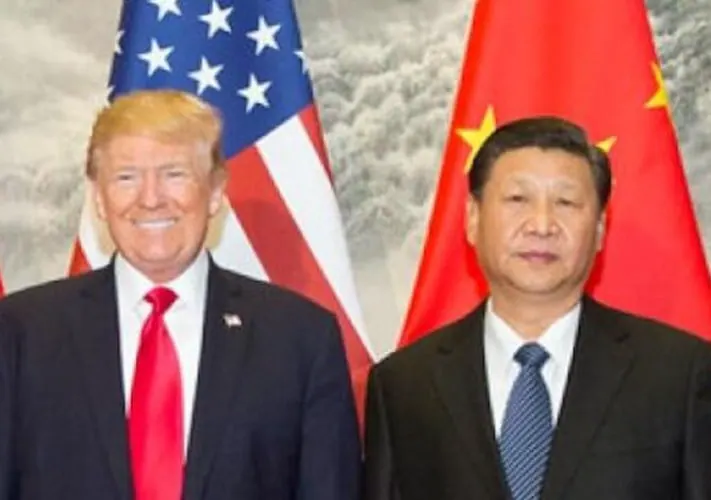
The shipping sector has emerged as a significant beneficiary of Chinese President Xi Jinping's three-day visit to Washington last week. According to a report by Alphaliner, a shipping research firm, the United States and China have extended a trade truce, paving the way for increased flows of essential goods. The two nations have also issued a joint statement emphasizing the importance of freedom of navigation in international waterways.
The trade tensions between the US and China had previously led to tariffs being imposed on ships, with Washington targeting Chinese-made and operated vessels, and Beijing retaliating against US-linked ships. Over 200 trade and shipping associations, including the International Chamber of Shipping and the World Shipping Council, had urged Washington to suspend tariffs, citing concerns that reimposing them would disrupt ship distribution and add costs to already strained supply chains.
The dry cargo shipping sector has received a noticeable boost following the US-China agreement. The two countries have also agreed to recommendations for more favorable customs treatment, covering $30 billion worth of goods in each direction, including US agricultural products, seafood, and timber, as well as Chinese products. These developments are seen as potentially positive for maritime trade.
The report also notes that Washington and Beijing have agreed to continue working on restoring flows of rare earth elements and other critical minerals, a crucial issue for global industrial supply chains. Rare earth elements are used in a range of high-tech products, including electronics and renewable energy technologies.
The discussions also prominently featured oil tankers. US President Donald Trump reportedly urged Xi to increase China's production of refined petroleum products to help stabilize global supplies. The two leaders agreed that "no country or entity should impose tolls on international waterways," a clear reference to the crisis in the Strait of Hormuz.
Notably, however, there was no breakthrough on US liquefied natural gas (LNG) exports in the post-summit announcements. Market participants had been anticipating a relaxation of Chinese tariffs that have limited direct US LNG sales, but no specific agreement on LNG was announced.
The outcome of Xi's visit has brought temporary relief to the shipping sector, with an easing of immediate trade barriers and some new commitments on shipping. However, the bigger competition around shipbuilding, maritime influence, and control of supply chains remains largely intact. The shipping sector will continue to monitor developments in US-China trade relations.
Key points
- The US and China have agreed to extend a trade truce, benefiting the global shipping sector.
- The two countries have also issued a joint statement emphasizing the importance of freedom of navigation in international waterways.
- The shipping sector has received a boost from the agreement, with potential positive implications for maritime trade.