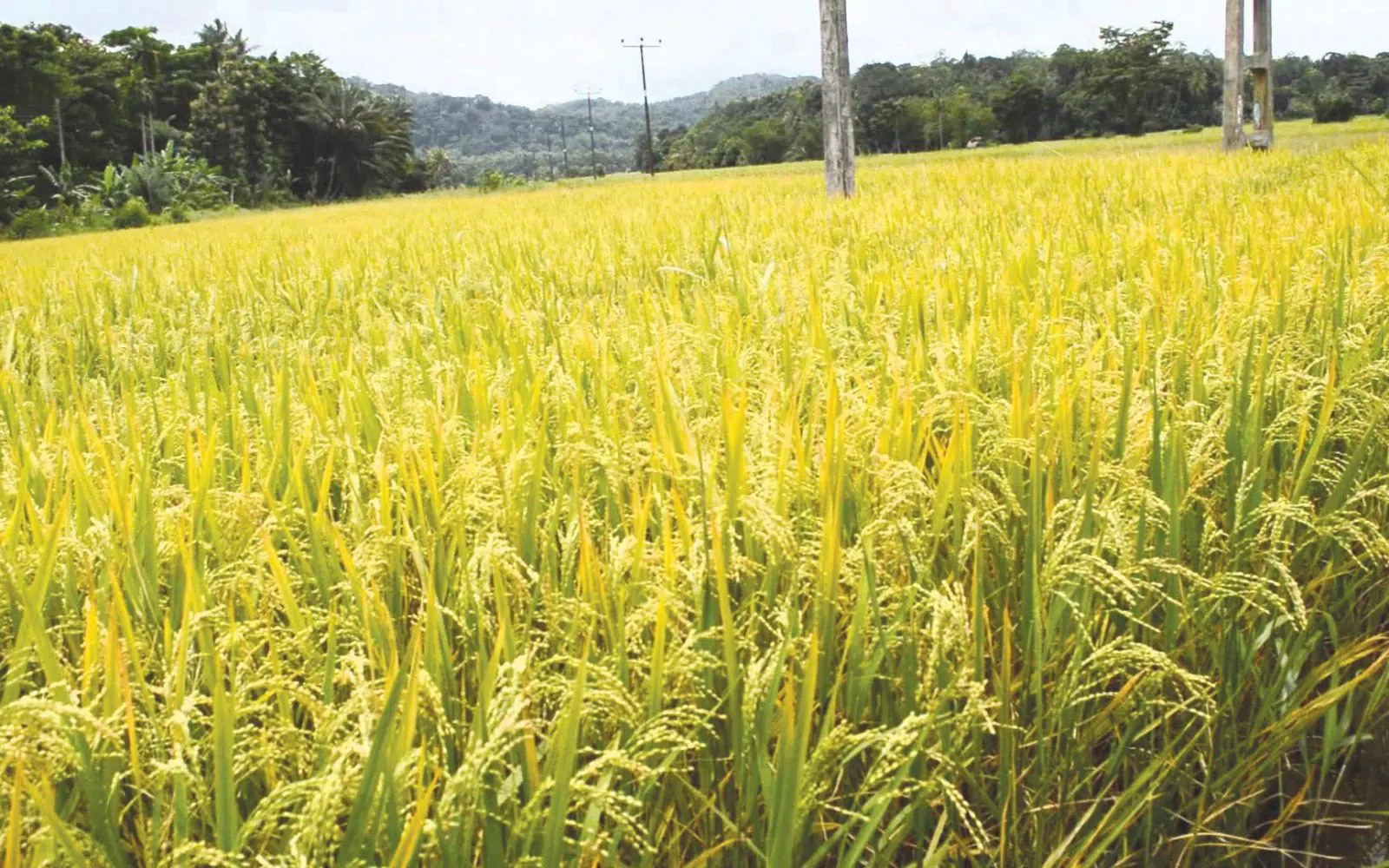
Egypt produces between 6.5 and 7 million tons of rice paddy annually, which translates to approximately 4.250 to 4.5 million tons of white rice. The country's rice consumption stands at around 3.6 million tons. This results in a surplus of about 900,000 tons of rice, enough to meet market demands for an additional three months beyond the current year's consumption.
The new rice production season begins in the second half of August, but the market is still consuming last year's rice stock. Some rice mills have started processing the new crop, contributing to the current market supply. The existing surplus of rice is a significant factor in the stable market prices. According to Rجب شحاتة, the head of the Rice Division at the Federation of Industries, the local production is sufficient to meet citizens' needs, eliminating concerns about rice availability.
The current harvest season has led to an increase in market supply, resulting in an 18-20% decrease in rice prices. The surplus production is estimated to be enough to cover the country's needs for about three months. The local rice production is entirely Egyptian, not affected by global issues or international prices. This self-sufficiency in rice production has helped maintain stable prices.
There are no immediate reasons for a potential rise in rice prices, given the abundance of local production. However, price increases in other food items might lead citizens to opt for rice as an alternative, potentially driving up demand. The availability of subsidized bread and sufficient wheat reserves, estimated to last between 8 and 12 months, also supports the stable supply of rice.
The Egyptian government, through the Ministry of Supply, provides subsidized bread to citizens, contributing to food security. With a comfortable stockpile of wheat and a steady supply of rice, there is no pressing issue in the market. The Rice Division head emphasized that local production adequately meets consumption needs, with a surplus to spare.
The current market situation indicates that rice is readily available, and citizens do not need to worry about its availability. The Federation of Industries monitors the rice market closely, ensuring that production and supply meet demand. With a stable supply and sufficient stockpiles, Egypt's rice market appears to be in a comfortable position.
The Egyptian rice sector's stability is a positive indicator for the country's food security. With a reliable local production and sufficient stockpiles, the nation can meet its rice needs without relying heavily on imports. This self-sufficiency also helps mitigate potential price fluctuations in the global market.
Key points
- Egypt's rice prices have decreased by 18% due to a bountiful harvest and sufficient local production.
- The country's rice production surplus is estimated to be around 900,000 tons, enough to meet market demands for an additional three months.
- Local rice production is sufficient to meet citizens' needs, eliminating concerns about rice availability.