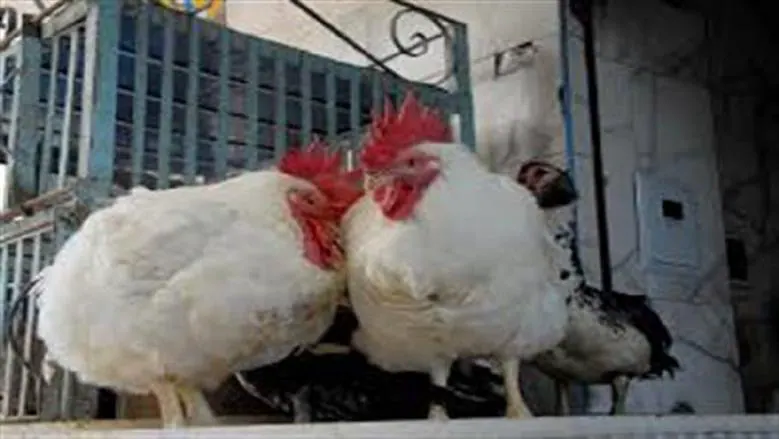
Egypt's poultry market has witnessed recent price fluctuations. As of September 30, 2026, the country's poultry exchange, or borصة الدواجن, has updated prices for various poultry types. The prices vary depending on the region and market. These changes reflect the dynamics of supply and demand, feed costs, and other economic factors. The prices of white and local poultry have been updated, affecting consumers and farmers alike. The market is experiencing a period of adjustment.
According to the main poultry exchange and market transactions, the prices of white poultry, also known as الفراخ البيضاء, have been recorded. In farms, the price ranges from 72 to 73 pounds per kilogram. In stores and markets, the price varies from 77 to 88 pounds per kilogram, depending on the residential area. These prices reflect the farm-to-consumer price chain. The prices may vary depending on the region and market conditions. The white poultry market is a significant segment of Egypt's poultry industry.
The price of ساسو poultry, another popular variety, has also been updated. In farms, the price ranges from 107 to 108 pounds per kilogram. In stores and markets, the price ranges from 120 to 130 pounds per kilogram, depending on the residential area. The prices of ساسو poultry are higher compared to white poultry. This variety is in demand among consumers. The prices are subject to change based on market conditions.
The price of local or بلدي poultry has been recorded at 125-135 pounds per kilogram in markets and stores, depending on the area. This variety is popular among consumers who prefer locally sourced products. The prices of local poultry are higher compared to some other varieties. The market for local poultry is significant in Egypt. The prices reflect the costs of production and distribution.
The prices of بانيه, a type of processed poultry product, have also been updated. In stores, the price ranges from 200 to 230 pounds, depending on the residential area. The prices of بانيه are higher compared to some other poultry products. This product is in demand among consumers who prefer convenient and processed foods. The prices reflect the costs of production and distribution.
The daily prices of Egypt's poultry exchange are influenced by various economic and environmental factors. These factors include supply and demand, feed costs, exchange rates, and weather conditions. The prices of poultry products are also affected by the costs of production and distribution. The market is subject to fluctuations based on these factors. The prices are updated regularly to reflect the changing market conditions.
The poultry market in Egypt is a significant sector that provides food and income for many people. The market is subject to fluctuations based on various factors. The prices of poultry products are updated regularly to reflect the changing market conditions. The market is expected to continue to play a vital role in Egypt's food industry. The prices will continue to be influenced by supply and demand, feed costs, and other economic factors.
Key points
- Egypt's poultry prices vary depending on the region and market.
- The prices of poultry products are influenced by supply and demand, feed costs, and other economic factors.
- The poultry market in Egypt is a significant sector that provides food and income for many people.