Egypt's water security is a pressing concern, with over 98% of its renewable water resources originating from outside its borders. The country's annual water needs stand at approximately 123 billion cubic meters, while its available resources are estimated at 56.8 billion cubic meters. This significant gap places Egypt under absolute water scarcity, with a per capita share of only 472 cubic meters per year. To address this challenge, Egypt has invested heavily in water reuse and desalination.
Egypt has made significant strides in water management, with a focus on reuse and desalination. The country has implemented a comprehensive plan to reuse around 23.2 billion cubic meters of water annually through large-scale treatment plants and expand desalination efforts. Additionally, Egypt has adopted smart management practices, utilizing satellite technology and artificial intelligence to optimize water resource management. These efforts aim to ensure sustainable use of available resources and do not diminish Egypt's commitment to upholding its international legal obligations.
Egypt's approach to the Nile River issue is rooted in cooperation and mutual benefit. The country has supported water-related projects in Nile Basin countries, including drilling wells, establishing rainwater harvesting projects, and setting up flood forecasting centers. Egypt has also contributed to training African personnel and mobilizing funding for joint development projects. This collaborative approach reflects Egypt's commitment to regional development and its desire to work with neighboring countries to address shared water challenges.
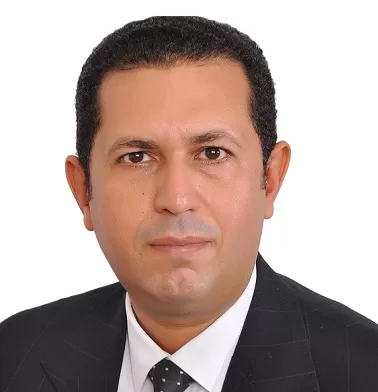
Water Minister Hani Suwelim emphasized that Egypt's stance on the Nile River is not about opposing development but about preventing the river from being used as a tool for pressure or dominance. He noted that Ethiopia's development is not contingent on controlling the Blue Nile's waters, as the country possesses significant rainfall, water, and agricultural resources. Suwelim argued that linking Ethiopia's development to unilateral control over the Nile's flow oversimplifies the complex issue of development.
The core issue, according to Suwelim, lies not in the construction of dams or countries' rights to produce energy and develop, but in the management of large-scale infrastructure on an international waterway. Uncoordinated and unilateral operation of such infrastructure can lead to sudden changes in water flows, disrupting the management of dams and water facilities in downstream countries and creating additional risks during droughts or significant fluctuations in water revenues.
Egypt's insistence on adhering to international law is not a temporary negotiating tactic but a fundamental aspect of its vision for managing international rivers. The principles of notification, consultation, information exchange, and avoiding significant harm are not conditions imposed by Egypt but rather guidelines for responsible cooperation among nations. Egypt has chosen a path of peace, advocating for dialogue and cooperation while affirming that peace does not imply relinquishing rights and that cooperation does not mean accepting the status quo.
Egypt maintains that its security and the rights and interests of its people must be protected. The country is committed to upholding international law and will take all necessary measures to ensure its water security. Egypt's message is clear: it seeks a Nile River that fosters cooperation, not dominance, and promotes development that benefits all countries in the basin, not just unilateral decisions that harm downstream nations.
Key points
- Egypt advocates for cooperation and sustainable management of the Nile River's resources.
- The country seeks to address water scarcity through reuse, desalination, and smart management practices.
- Egypt's approach is grounded in international law and a commitment to regional development and cooperation.