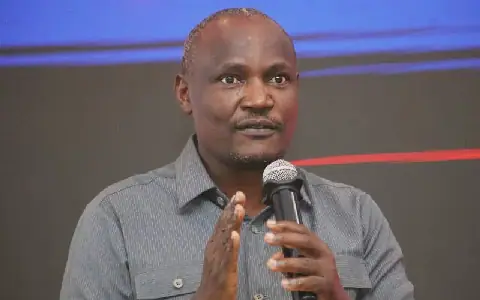
Egypt's New Capital, located east of Cairo, aims to attract 250,000 permanent residents within three years. Currently, the city is home to around 30,000 residents, with the population expected to double to 60,000 by the end of 2026. The city's growth is driven by the relocation of government employees to the New Capital. Khaled Abbas, chairman and managing director of ACUD, outlined the city's development plans, including the expected move of the Central Bank of Egypt and 18 banks to the city.
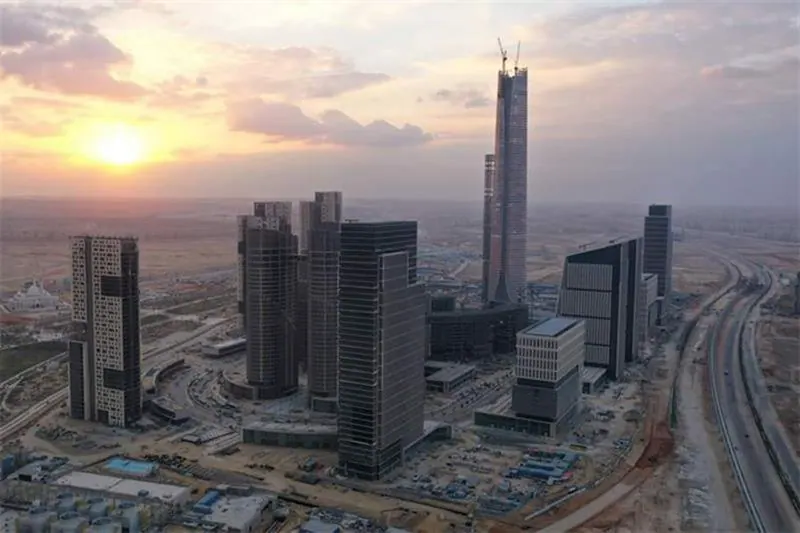
The New Capital is being developed as a centre for government, business, and residential life to ease pressure on Cairo. The project was announced in March 2015, and construction began that year. The city's first phase covers 40,000 feddans, with a long-term planned capacity of approximately 6.5 million residents. The government completed relocating its ministerial headquarters to the New Capital in 2023. The government district includes the Cabinet headquarters and parliamentary buildings.
ACUD has partnered with private-sector companies to manage government district buildings. In April, the company signed an agreement with Raya Smart Buildings. Abbas stated that the government pays ACUD around EGP 7 billion annually in rent, excluding electricity and other utility bills. The contracts include penalties and interest for late payment. ACUD has also generated significant revenue, with EGP 133 billion in pre-tax profits over the past decade.
ACUD's financial performance is strong, with EGP 8.5 billion in taxes paid last year and EGP 7.5 billion this year. The company's assets are valued at EGP 310 billion, and its fully paid-up capital is approximately EGP 45 billion. Abbas stated that if ACUD were listed on the Egyptian Exchange, the share price would be no less than EGP 400. Land prices in the New Capital have increased significantly, with prices in the towers district exceeding EGP 70,000 per square metre.
The city's infrastructure development has been substantial, with EGP 220 billion invested in infrastructure and construction works over the past 10 years. Abbas stated that if the company's assets were revalued, the figure would reach EGP 1 trillion. The East Nile Monorail line, which stretches 56.5 kilometres between Nasr City and the New Capital, has also been completed, linking the city with Greater Cairo through 22 stations.
Despite some delays affecting developers in the New Capital, Abbas rejected suggestions that Egypt is experiencing a property bubble. He stated that only 10 to 12 developers are behind schedule, but no developer has abandoned their project. The city's development is expected to continue, with further phases planned.
The New Capital is expected to ease pressure on Cairo and expand Egypt's urban areas. With its planned capacity of 6.5 million residents, the city is set to become a major hub for government, business, and residential life. Key developments, including the relocation of government employees and the expected move of the Central Bank of Egypt, are driving the city's growth.
Key points
- Egypt's New Capital aims to attract 250,000 permanent residents within three years.
- The city's development is driven by the relocation of government employees and the expected move of major institutions.
- ACUD has invested EGP 220 billion in infrastructure and construction works over the past 10 years.