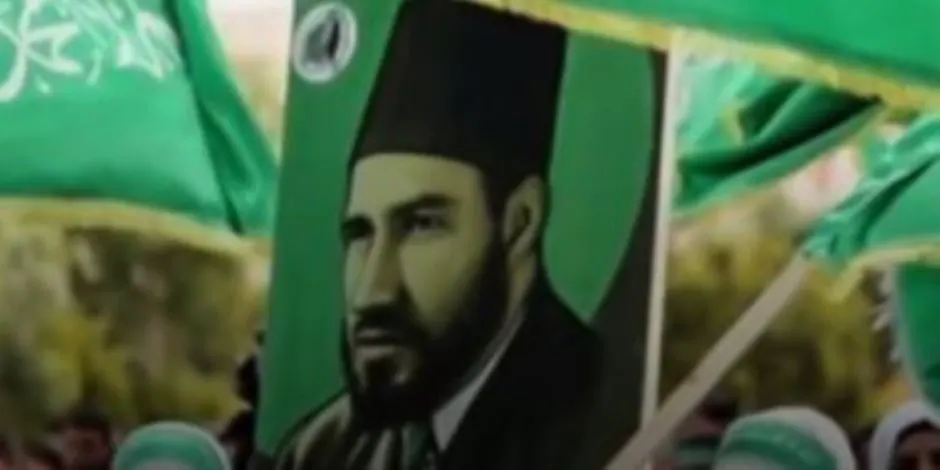
Egypt's Muslim Brotherhood has descended into an internal crisis, with multiple factions competing for control and legitimacy. The group's structure, once characterized by a hierarchical pyramid, has given way to a complex landscape of rival centers of power. This development has led to a struggle for dominance, with various factions vying for control of the organization's resources, institutions, and media platforms. According to analysts, the crisis began with the dispersal of key leaders following the 2013 ousting of the Brotherhood from power in Egypt.
The crisis deepened with the arrest of Mahmoud Ezzat, a senior Brotherhood leader, which created a power vacuum that further exacerbated internal divisions. The emergence of multiple factions, each with its own leadership and structures, has led to a situation where no single entity can claim to represent the Brotherhood with absolute authority. In London, a faction led by Salah Abd al-Haqq has claimed leadership, while another faction, led by Mahmoud Hussein, maintains a strong presence within the organization's traditional structures.
A third faction, known as the "Change Current," has emerged, advocating for a radical overhaul of the Brotherhood's leadership and structures. This faction seeks to create a more inclusive and representative organization, open to new ideas and younger members. The proliferation of rival factions has led to a situation where the Brotherhood's media platforms are now used to promote competing narratives and agendas, further eroding the organization's cohesion and unity.
The struggle for control within the Brotherhood has significant implications for the organization's future. With multiple factions vying for dominance, it remains unclear which group will ultimately emerge as the most influential. Analysts suggest that the Brotherhood's internal crisis is driven by deeper issues related to identity, legitimacy, and organizational structure. The group's traditional reliance on a centralized leadership and hierarchical structure has been disrupted, leading to a period of uncertainty and flux.
The Brotherhood's financial resources have also become a key aspect of the internal struggle. With various factions competing for control of the organization's assets and networks, the distribution of resources has become a critical factor in determining which groups will ultimately prevail. In Europe, the Brotherhood's external networks and institutions have become embroiled in the internal conflict, adding a new layer of complexity to the crisis.
The Brotherhood's media platforms have become a key battleground in the internal struggle. With each faction seeking to promote its own narrative and agenda, the organization's media outlets are now used to attack rival groups and promote competing visions for the future. This has led to a proliferation of conflicting messages and agendas, further eroding the Brotherhood's cohesion and unity.
The internal crisis within the Brotherhood has significant implications for the organization's future. With multiple factions vying for control and legitimacy, it remains unclear which group will ultimately emerge as the most influential. The crisis has also raised questions about the Brotherhood's ability to present a unified front in the face of external challenges and criticism. As the internal struggle continues, the Brotherhood's very identity and purpose are being redefined.
Key points
- The Muslim Brotherhood is facing an internal crisis with multiple factions competing for control and legitimacy.
- The crisis has led to a situation where no single entity can claim to represent the Brotherhood with absolute authority.
- The internal struggle has significant implications for the organization's future, including its ability to present a unified front in the face of external challenges and criticism.