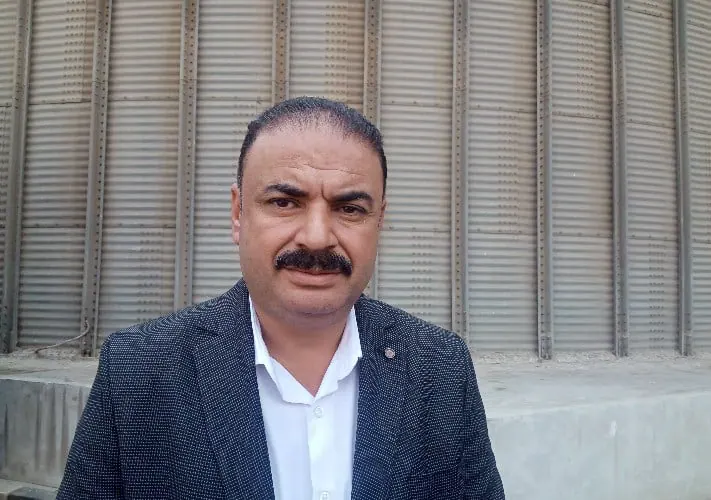
The Mit Ghamr silo in Egypt's Dakahlia governorate has a storage capacity of 60,000 tons and currently holds 46,710 tons of wheat. This includes 23.5 thousand tons of locally produced wheat and 23,210 tons of imported wheat. These quantities are meant to support milling operations and provide flour for subsidized bakeries.
The wheat distribution to mills follows a predetermined and approved program, not based on individual mill requests. The quantities are determined according to milling rates and the prescribed needs of each mill. Dakahlia governorate has 8 state-owned mills and 3 private sector mills, in addition to other mills outside the governorate that are part of the program and obtain their wheat needs from the Mit Ghamr silo.
The Egyptian Food Authority's wheat trading system relies on mixing local and imported wheat at a ratio of 50% imported to 50% local. The wheat is dispensed to mills according to their daily needs and determined milling volume. The daily quantities received by the mills are not fixed and vary according to the volume of wheat being milled daily.
According to the director of grain maintenance at the Dakahlia Food Authority, Egyptian wheat is distinguished by its quality and cleanliness, which affects milling operations and flour extraction. The extraction rate of flour from Egyptian wheat is higher than that of imported wheat. The quality and cleanliness of wheat are essential factors in the milling process and the production of subsidized bread.
Some bakeries have turned to obtaining whole grain flour, but this has not affected the scheduled withdrawal quantities for mills. The withdrawal of wheat and production of flour are carried out according to predetermined rates and programs. The flour extraction rate is 87.5%, and subsidized bread is close to the concept of whole grain, with a whole grain ratio of about 90%.
The Mit Ghamr silo supplies wheat to several milling companies, including the Delta Center and West Milling Company. Other mills affiliated with the company come from outside Dakahlia to load the quantities allocated to them according to the program. The quantities allocated to mills vary daily based on their milling operations.
The Dakahlia Food Authority ensures that the wheat stored in the Mit Ghamr silo is sufficient to meet the needs of mills and bakeries. With a well-organized system for distributing wheat, the authority aims to maintain a stable supply of subsidized bread to citizens.
Key points
- The Mit Ghamr silo stores 46,710 tons of wheat, consisting of 23.5 thousand tons of local wheat and 23,210 tons of imported wheat.
- The Egyptian wheat trading system mixes local and imported wheat at a 50:50 ratio.
- The flour extraction rate from wheat is 87.5%, with Egyptian wheat yielding a higher extraction rate than imported wheat.