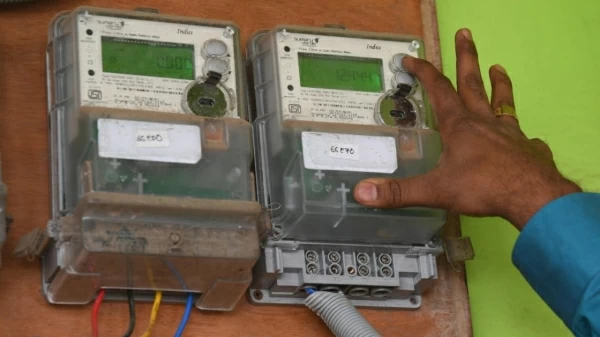
Egypt's Ministry of Electricity and Renewable Energy has clarified the procedures for replacing old electricity meters, emphasizing that these processes are subject to strict regulatory controls and technical standards. According to a source within the ministry, the replacement procedures apply not only to specific categories but also to various types of mechanical, electronic, and prepaid meters. This initiative is part of a comprehensive modernization plan aimed at improving collection efficiency and reducing technical and commercial losses in the national grid.
The source highlighted that the commercial regulations and contracts signed with consumers clearly state that the cost of replacing a mechanical or damaged meter falls on the subscriber, not the electricity companies. The subscriber is obligated to pay for the new metering device based on its type and the prescribed installation and insurance fees. This move aims to enhance the accuracy of energy consumption measurements and ensure fair billing practices.
Contrary to some beliefs, there is no electricity meter with a lifetime guarantee. The source explained that metering devices, being precise electronic and mechanical equipment, can deteriorate over time due to environmental factors and changes in electrical loads. Technical committees and engineering teams from distribution companies monitor meter malfunctions when subscribers report issues such as display screen defects, mechanical disk stoppages, or illogical consumption readings.
These technical teams can also identify problems automatically through monitoring systems and periodic reviews, detecting discrepancies in energy consumption calculations or sudden stops in charge payments for coded and prepaid meters. Such proactive measures help in maintaining the integrity of the metering system and preventing energy theft.
Egypt's electricity distribution companies are following scheduled plans to phase out traditional meters in certain geographical areas, replacing them entirely with prepaid meters. The Ministry of Electricity has introduced several facilitation measures to ease the transition for citizens, including the option to pay for new meters in monthly installments deducted automatically when refilling the balance.
Additionally, subscribers can submit replacement and inspection requests electronically through the unified service platform for electricity services, ensuring speedy processing without interrupting the electricity supply to residential and commercial units. This approach aims to enhance customer service and streamline the meter replacement process.
The ongoing replacement of old meters with modern, prepaid systems is part of Egypt's efforts to upgrade its electricity infrastructure, improve service delivery, and reduce energy losses. By implementing these changes, the Ministry of Electricity seeks to provide a more efficient and transparent system for managing electricity consumption across the country.
Key points
- The cost of replacing old or damaged electricity meters is borne by the subscribers, not the electricity companies.
- The replacement of traditional meters with prepaid meters aims to improve collection efficiency and reduce technical and commercial losses.
- Subscribers can request meter replacements and pay for new meters in installments through an electronic platform.