The value of fruits extends beyond their taste and nutritional benefits, as some rare varieties have become luxury products sold at unexpected prices. The high prices of these fruits are attributed to several factors, including limited production, precise cultivation methods, and specific climatic conditions. Some of these fruits are grown in limited quantities or regions, and are subject to rigorous inspections before being sold, making them exclusive gifts or sold at high prices in auctions.
One of the luxury fruits is the Dekopon orange, also known as "Sumo citrus," which costs between $80 and $100 per piece. Dekopon is easy to peel, seedless, large in size, and has a sweet taste with a high juice content. It is grown in Japan and is considered a luxury fruit due to its high quality and limited production. The fruit is carefully cultivated to ensure it is defect-free and has an ideal shape, contributing to its high price.
Another luxury fruit is the Hami melon from China's Xinjiang region, which costs between $200 and $300 per piece. The Hami melon is known for its juicy pulp, crunchy texture, and sweet taste. It is grown in precise conditions to achieve high sweetness and size, making it a luxury item or gift. The limited production and high demand for this fruit contribute to its high price.
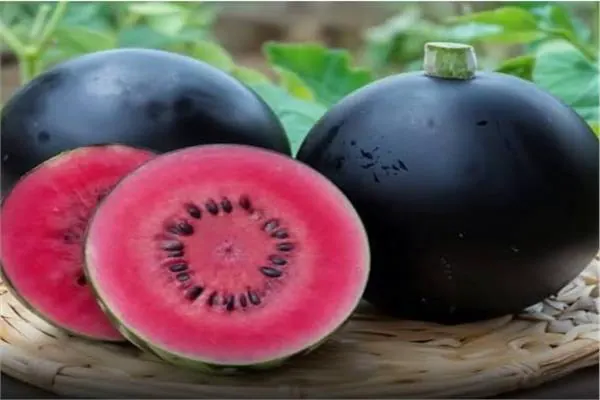
The Densuke watermelon from Japan's Hokkaido island is one of the most expensive fruits, costing up to $6,000 per piece. It has a dark black skin and a sweet, fragrant taste. The limited production of Densuke watermelon contributes to its high price, making it a luxury item in Japan. The fruit is highly prized for its unique taste and texture.
The Durian "Biji" from Thailand is another luxury fruit, costing up to $2,500 per piece. Durian is known for its strong smell and is considered the "king of fruits" in Southeast Asia. The Biji variety has a creamy texture, sweet taste, and less bitterness. It is grown in limited quantities and is subject to seasonal harvesting, contributing to its high price.
The Ruby Roman grape from Japan is one of the most expensive grapes, costing up to $8,400 per bunch. It is grown in Ishikawa prefecture and is known for its large, dark red berries and sweet taste. Each grape is carefully inspected to ensure it meets quality standards, contributing to its high price. The limited production and high demand for Ruby Roman grapes make them a luxury item.
Other luxury fruits include the Taiyo no Tamago mango from Japan, which costs between $100 and $200 per piece, and the Yubari King melon, which costs up to $25,000 per piece. The Lost Gardens of Heligan in England also grow pineapples in unique conditions, costing up to $1,500 per piece. These fruits are highly prized for their unique taste, texture, and limited production.
Key points
- The high prices of luxury fruits are attributed to limited production, precise cultivation methods, and specific climatic conditions.
- Some luxury fruits, such as the Densuke watermelon and Yubari King melon, can cost thousands of dollars per piece.
- These fruits are often grown in limited quantities, subject to rigorous inspections, and are highly prized for their unique taste and texture.