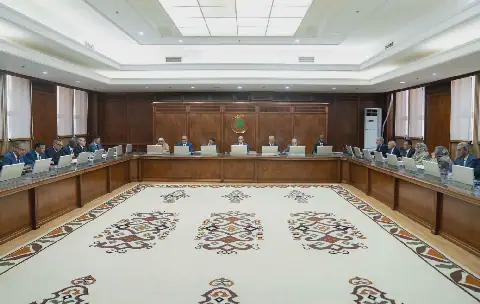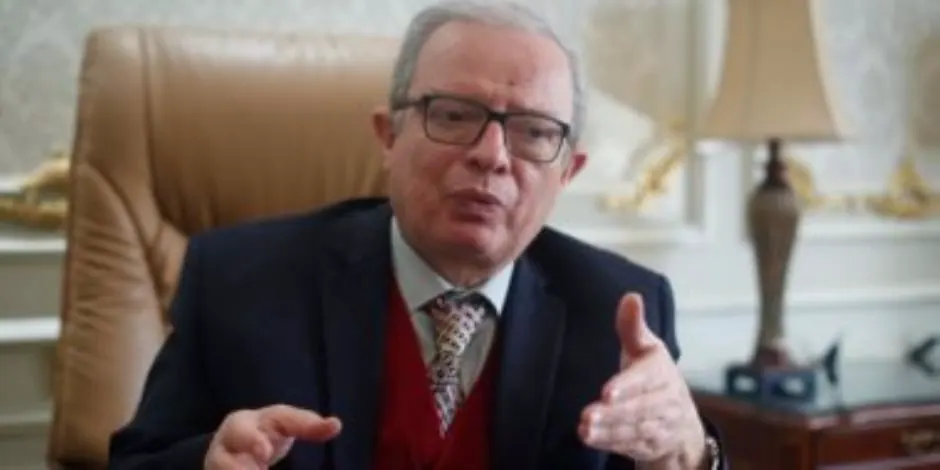
The general assembly of Egypt's Holding Company for Cotton, Spinning, Weaving and Clothing, chaired by Deputy Prime Minister Dr. Hussein Issa, approved the company's budget for the 2026/2027 fiscal year. The assembly, attended by members of the general assembly, the company's board of directors, and representatives from the Central Auditing Agency and the Ministry of Finance, aims to drive growth and development in the Egyptian textile industry.
The company's managing director, Dr. Ahmed Shaker, presented an update on the national project to develop the spinning and weaving industry, which includes seven subsidiary companies across several governorates. The project aims to modernize and upgrade the industry, increasing production capacity and improving product quality. The project has three phases, with the first phase completed, including the establishment of three spinning and weaving factories and a new power plant at the company's Mahalla plant.
Dr. Hussein Issa emphasized that the national project to develop the spinning and weaving industry is a strategic initiative that will help Egypt regain its global leadership in the sector. He stressed the importance of completing the project's second and third phases, which include the establishment of new factories and the modernization of existing ones. The project aims to increase production, improve quality, and reduce costs, making Egyptian textile products more competitive globally.
The approved budget for 2026/2027 targets EGP 18.3 billion in revenues, representing a 190% growth compared to the previous fiscal year. The company aims to achieve this growth by maximizing production capacity, improving operational efficiency, and increasing domestic and export sales. The budget also focuses on implementing development and modernization programs to support sustainable growth and enhance the company's contribution to the national economy.
Dr. Hussein Issa also highlighted the importance of marketing and opening new export markets, while maintaining high product quality. He emphasized that the company should focus on increasing exports and market share, while creating new job opportunities and contributing to the country's economic growth. The company has already made progress in opening new export markets, including Pakistan, India, Switzerland, Turkey, the United States, Greece, and Saudi Arabia.
The company's strategy also includes enhancing its safety and health systems, developing its quality control and assurance systems, and implementing a code of professional conduct. Additionally, the company plans to upgrade its IT infrastructure and implement an ERP system to improve management and operational efficiency. These initiatives aim to support the company's growth and development, while enhancing its competitiveness in the global market.
The national project to develop the spinning and weaving industry is expected to have a significant impact on Egypt's economy, creating new job opportunities and increasing foreign exchange earnings. The project's success will depend on the company's ability to implement its plans and strategies effectively, while addressing the challenges facing the industry. With the right approach and support, the Egyptian textile industry can regain its global leadership and become a major contributor to the country's economic growth.
Key points
- The Egyptian government's efforts to develop the spinning and weaving industry aim to increase production, improve quality, and boost exports.
- The national project to develop the spinning and weaving industry includes seven subsidiary companies across several governorates.
- The approved budget for 2026/2027 targets EGP 18.3 billion in revenues, representing a 190% growth compared to the previous fiscal year.