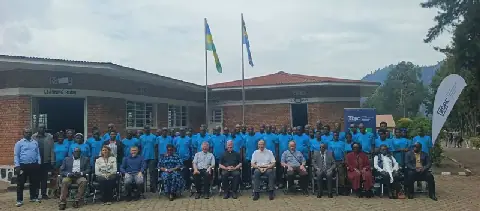
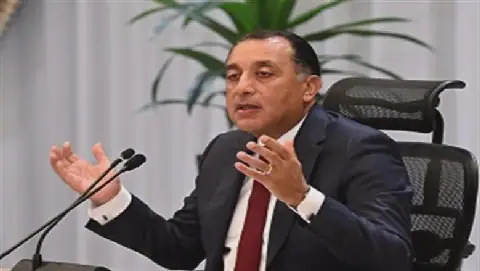
Dr. Alta El-Mahdi, former dean of the Faculty of Economics and Political Science at Cairo University, has warned of increasing challenges facing the Arab steel industry due to rising global trade restrictions and protectionist measures. She noted that Arab countries have a 30% surplus in steel production capacity, yet import around 13 million tons annually, reflecting a gap between existing production capacities and market needs. This was stated during her speech at the second day of the Steel Summit organized by the Arab Steel Union.
El-Mahdi highlighted that global steel trade restrictions have expanded beyond tariffs to include safeguard measures, anti-dumping duties, and subsidies, in addition to export restrictions on certain production inputs such as scrap, chrome, and nickel. She also mentioned new environmental requirements, particularly the European Union's Carbon Border Adjustment Mechanism (CBAM). These changes have significant implications for the competitiveness of Arab steel producers.
The former dean pointed out that countries with substantial financial capabilities have resorted to providing extensive support to their local industries, making it difficult for producers in other countries to compete. She cited China's various forms of support for its steel industry through provincial governments. El-Mahdi emphasized that protectionist trends in Europe and America have become more pronounced, with calls for protecting the steel industry becoming more public.
El-Mahdi noted that the European Union and the United States have implemented measures to safeguard their steel industries. She referenced statements by European Commission President Ursula von der Leyen regarding the risks of global steel surpluses to the European industry and the need for swift action. Similarly, in the United States, a 50% tariff was imposed on steel imports and related products. These measures have been supported by American steel industry representatives.
Restrictions have also been imposed on scrap trade, with 48 countries imposing export restrictions in 2025. The European Union is considering additional restrictions on scrap exports, which may affect its availability for steel mills globally. El-Mahdi also warned about the impact of restrictions on nickel exports, particularly with Indonesia's growing share of global production, which may rise to 74% by 2028-2029.
Regarding environmental requirements, El-Mahdi explained that the CBAM began application on January 1, 2026. According to the International Energy Agency, steel production costs may increase by 10-75% compared to traditional production methods, depending on the technology used and the producing region. Some estimates suggest that the cost increase could reach $225 per ton due to emission reduction requirements and new environmental standards.
El-Mahdi concluded that these changes coincide with increasing pressures on production costs, including a 20% rise in coal prices from January to October 2026, as well as increases in scrap, oil, and natural gas prices. She also noted that around a third of the production capacities in the largest producing countries remain unutilized, adding to the challenges faced by the global steel industry.
Key points
- Arab countries have a 30% surplus in steel production capacity but import around 13 million tons annually.
- The European Union's Carbon Border Adjustment Mechanism (CBAM) may increase steel production costs by 10-75%.
- Global steel trade restrictions have expanded beyond tariffs to include safeguard measures, anti-dumping duties, and subsidies.