Egypt's Grand Mufti, Dr. Nazir Mohammed Ayyad, has issued a statement allowing visually impaired individuals to read the Quran using Braille during prayer. This ruling applies to both obligatory and voluntary prayers. According to the Mufti, it is permissible for individuals with visual impairments to use specialized Braille devices to read the Quran, even if it requires hand or finger movement to follow the text.
The Mufti emphasized that this permission is conditional upon the Braille Quran being reviewed and approved by relevant committees. These committees ensure that the Braille text accurately represents the original Quranic text. The Mufti also advised that, to the extent possible, individuals should maintain stillness in their other body parts during prayer to preserve the solemnity and focus of the ritual.
The ruling was made in response to a query from a visually impaired individual who wished to use Braille to improve their Quranic recitation during prayer. The individual sought clarification on whether this practice would invalidate their prayer. The Mufti's response provides guidance on this matter, allowing visually impaired individuals to participate fully in prayer while also engaging with the Quran.
The use of Braille in reading the Quran has a long history, dating back to 1878 when it was first adapted for the Arabic language. Braille is a tactile writing system that enables visually impaired individuals to read through touch. Each Braille character consists of a combination of raised dots that correspond to specific letters or sounds.
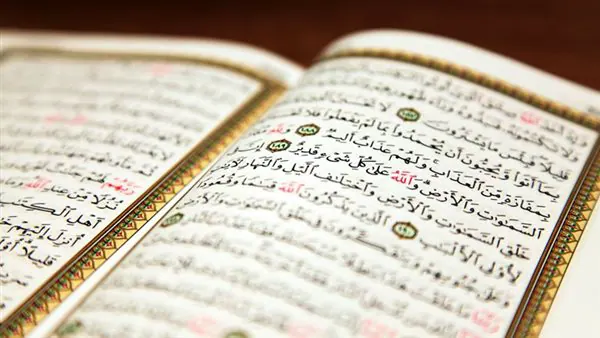
The Quran, as the holy book of Islam, holds a revered position in the faith. Its text is considered the literal word of God as revealed to the Prophet Muhammad. The traditional method of writing the Quran involves using Arabic script, specifically the Ottoman-style calligraphy. However, the use of Braille provides an alternative means of accessing the Quranic text for those who are unable to read conventional script.
The Egyptian Dar al-Ifta, the country's official Islamic advisory body, has also weighed in on the issue of writing the Quran in Braille with raised characters. The body has stated that it is permissible to do so, provided that the text is accurately represented and can be read in a way that preserves the original meaning and pronunciation of the Quran.
This ruling reflects a broader effort to make Islamic practices more inclusive for individuals with disabilities. By allowing visually impaired individuals to engage with the Quran through Braille, the Egyptian Grand Mufti's statement promotes greater accessibility and participation in religious life. The move is seen as a positive step towards fostering a more inclusive and equitable society.
Key points
- The Egyptian Grand Mufti has approved the use of Braille for reading the Quran during prayer for visually impaired individuals.
- The use of Braille is conditional upon the text being reviewed and approved by relevant committees.
- The ruling aims to promote greater accessibility and participation in Islamic practices for individuals with disabilities.