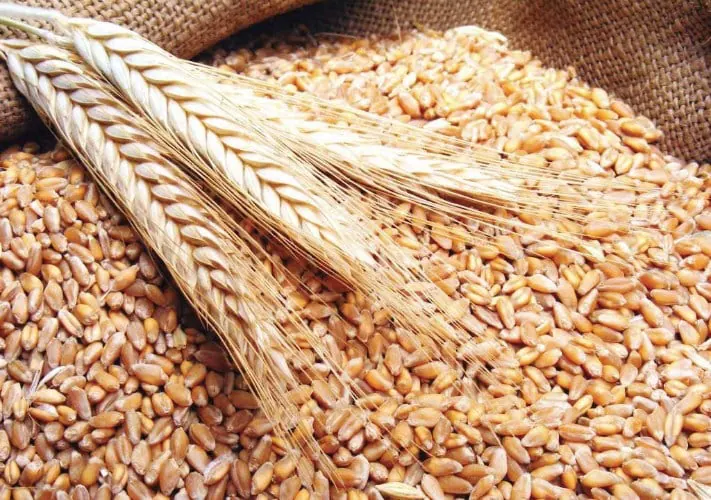
The Grain Chamber of Egypt's Industries Union has sent a memo to the Minister of Supply, requesting intervention to make state-owned wheat available to private mills producing 72% flour used for "fino" bread. Chamber head Tarek Hassaneen stated that even small quantities of wheat would help calm the market. He suggested that allocating 500 tons of wheat per mill per week could significantly ease tensions, especially with schools reopening and demand for "fino" bread increasing.
Hassaneen noted that the Minister of Supply is aware of the issue and is expected to take action soon. He drew parallels with a similar situation during the Russia-Ukraine conflict, when state wheat allocations to mills led to a significant market drop. If the state fails to intervene, prices of tourist bread may be affected. The current crisis is seen as temporary, with sufficient wheat reserves available, but potential price increases of at least 20% are anticipated.
Egypt's current wheat reserves are sufficient for seven months, until next March. Hassaneen emphasized that the country is not isolated from global events but has a comfortable wheat stockpile. He assured that there are no issues with wheat supplies for subsidized bread, which around 70 million Egyptians rely on. The Grain Chamber's concerns focus on wheat used for producing "fino" and tourist bread.
The issue at hand is not related to subsidized bread but rather to the availability of imported wheat for "fino" and tourist bread production. Hassaneen stressed that high wheat reserves provide a comfortable buffer for Egypt's needs during this period. However, private mills face challenges due to limited access to state-owned wheat.
Hassaneen's comments were made during a phone interview with Lamis El-Hadidi on her "Al-Sura" program on Al-Nahar TV. He expressed hope that the Ministry of Supply would address the issue promptly. The Grain Chamber's request aims to stabilize the market and prevent potential shortages.
Egypt's wheat market has experienced fluctuations due to global events. The country's reliance on imported wheat makes it vulnerable to international market trends. The Grain Chamber's efforts to secure state-owned wheat for private mills aim to mitigate these challenges.
The situation is being closely monitored, with expectations of a resolution soon. The Egyptian government has a track record of intervening in the wheat market to stabilize prices and ensure sufficient supplies. The outcome of the Grain Chamber's request will likely impact Egypt's bread market in the coming weeks.
Key points
- Egypt's Grain Chamber requests state-owned wheat release to private mills to ease market tensions.
- Current wheat reserves sufficient for seven months, until next March.
- Potential price increases of at least 20% anticipated if issue not resolved.