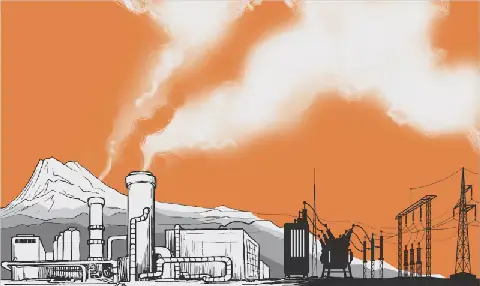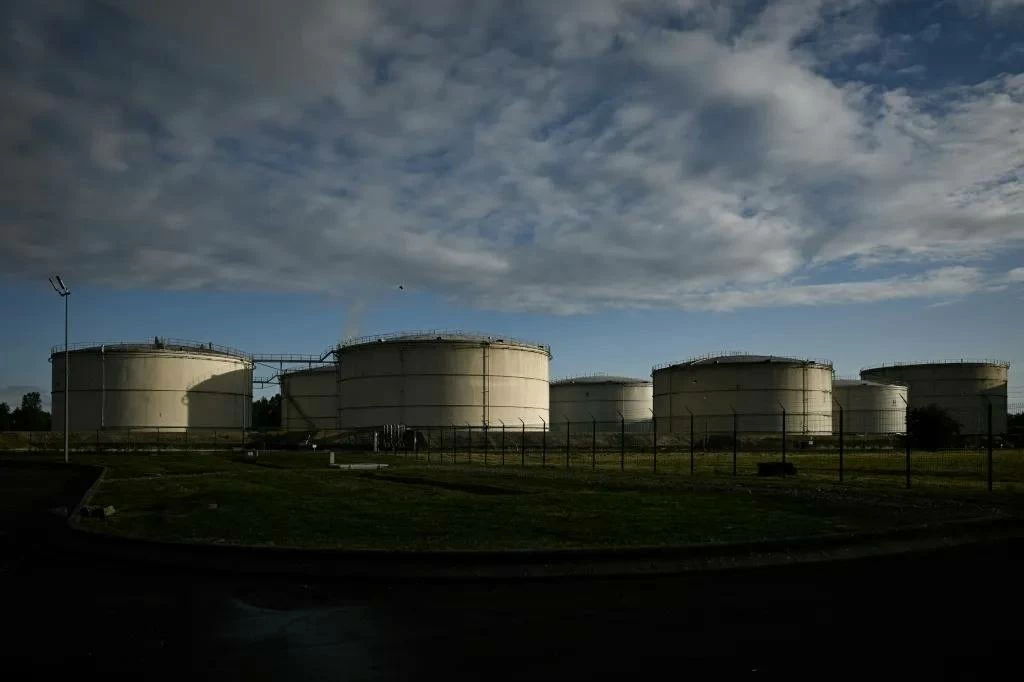
The Group of Seven (G7) has announced plans to release up to 100 million barrels of diesel and crude oil from its strategic reserves over the next four months. This move aims to mitigate rising fuel prices and address concerns over potential shortages. The decision comes in response to a previous threat from the US government to impose a 90-day ban on diesel exports. Egypt, like other countries, may benefit from this development, potentially leading to lower diesel prices.
According to Hany Genena, head of research at Al-Ahly Faros Securities, the G7's decision is likely a response to Russia's ban on diesel exports and the potential impact on global refining capacities. Genena noted that the West's efforts to cripple Russia's energy export capabilities may escalate in the coming months, potentially leading to a global energy crisis. To avoid this, the West may seek to end the conflict in Ukraine and reopen the Strait of Hormuz, a critical waterway for oil exports.
Research from Al-Ahly Faros Securities suggests that the next quarter may see a significant escalation in the West's campaign against Russia, aimed at crippling its energy export capabilities. This could lead to a sharp decline in global oil prices, potentially dropping by 15-20% in the fourth quarter of 2026. The report also predicts that if the Strait of Hormuz is reopened, diesel prices could return to their long-term average of $80-90 per barrel in the first half of 2027.
The global consumption of diesel is approximately 28 million barrels per day, with exports around 8 million barrels. Major exporters include the US, Saudi Arabia, and Russia. However, Russia's and Saudi Arabia's exports have declined significantly due to military operations. The current shortage of diesel is estimated to be around 1.5-2 million barrels per day. The G7's release of 100 million barrels, with 70% potentially being diesel, could reduce the supply gap by 30-40%.
Since September 15, the price of ultra-low sulfur diesel (ULSD) has dropped by 14.5%, while European low-sulfur fuel oil prices have decreased by 13.7%. These developments may have a positive impact on Egypt's fuel market, potentially leading to lower diesel prices. However, the actual effect will depend on various factors, including global market trends and Egypt's fuel import policies.
Egypt's fuel market has faced challenges in recent years, including fluctuations in global oil prices and supply chain disruptions. The country's economy, heavily reliant on imports, is vulnerable to changes in global fuel prices. A decline in diesel prices could provide relief to Egyptian consumers and businesses, potentially supporting economic growth.
The G7's decision to release strategic oil reserves is a significant move aimed at stabilizing global fuel markets. Egypt, as a major importer of fuel, may benefit from this development. However, the impact on local fuel prices will depend on various factors, including government policies and global market trends. As the situation unfolds, Egypt's fuel market will likely be closely monitored for potential changes in diesel prices.
Key points
- The G7 plans to release up to 100 million barrels of diesel and crude oil to mitigate rising fuel prices.
- Egypt's fuel market may see a decline in diesel prices following the G7's announcement.
- Global diesel prices have already started to drop, with a 14.5% decrease in ultra-low sulfur diesel prices since September 15.