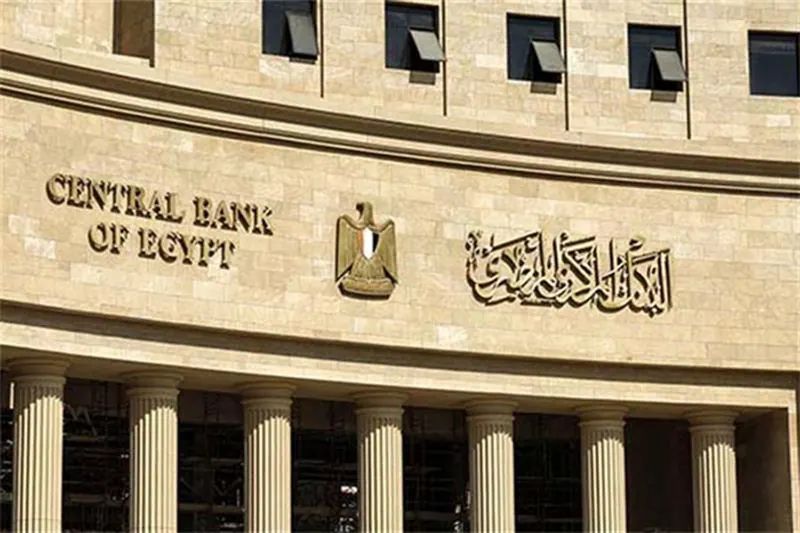
Egypt's net international reserves (NIRs) reached $57.35 billion at the end of September, marking a slight increase of 0.23% from $57.2 billion at the end of August. This rise is attributed to a $133.7 million increase in September, continuing the upward trend of NIRs for over two years. The Central Bank of Egypt (CBE) announced this news on Wednesday, highlighting the country's progress in bolstering its foreign reserves.
The increase in NIRs is a significant achievement, with reserves surging by around $4.74 billion since the start of the year. This marks the highest recorded level of NIRs this year. In comparison, NIRs stood at $55.07 billion in June, $53.13 billion in May, and $53 billion in April. The CBE's efforts to increase foreign currency liquidity and support higher remittance inflows have contributed to this growth.
The rise in NIRs is crucial for Egypt, as it helps the country meet its external financial obligations and reduce rising debt-servicing costs. Egypt's external debt is owed mainly to multilateral institutions, accounting for 26.3% or $43.1 billion of its total obligations. At the end of the first quarter of 2026, Egypt's external debt rose to $164.8 billion, up from $161.2 billion at the end of June 2025.
The Egyptian government aims to prioritize public debt management and lower its external debt over the medium and long term. The government plans to attract more direct investment across several sectors to secure alternative funding sources. This comes as the Cabinet prepares to present its National Economic Transformation Programme at the Egypt Forum 2026, which will guide Egypt's economic priorities.
The National Economic Transformation Programme aims to boost the economy's competitiveness and ensure sustainable public debt management. This program follows Egypt's $8 billion economic reform program with the International Monetary Fund (IMF), which is set to conclude in December 2026. The government also seeks to utilize the private sector as the main driver of development to create sustainable job opportunities and increase value-added output.
The government aims to deepen local manufacturing and improve macroeconomic stability, increasing the private sector's contribution to the economy to more than 65% by 2030. This will enable the country to withstand geopolitical tensions and expand its economic growth. Egypt's GDP growth is expected to accelerate to 5.1% in FY25/26 before easing to 4.3% in 2027, according to the World Bank.
The increase in foreign reserves and the government's efforts to manage public debt and attract investment demonstrate Egypt's progress in stabilizing its economy. The country's economic priorities, as outlined in the National Economic Transformation Programme, aim to ensure sustainable growth and development. With a focus on debt management and economic transformation, Egypt is poised to achieve its economic goals and improve its macroeconomic stability.
Key points
- Egypt's net international reserves rose to $57.35 billion in September, a 0.23% increase from August.
- The country's external debt is owed mainly to multilateral institutions, accounting for 26.3% or $43.1 billion of its total obligations.
- Egypt's GDP growth is expected to accelerate to 5.1% in FY25/26 before easing to 4.3% in 2027, according to the World Bank.