Egyptian Electricity and Renewable Energy Minister Mahmoud Essmat has stated that there will be no increase in the value of the Russian loan allocated for the construction of the Dabaa nuclear power plant. This assurance comes amid ongoing efforts to ensure the project's financial and technical feasibility. The minister emphasized that the Egyptian state has not taken on any additional financial burdens related to the project.
According to Minister Essmat, the repayment of the Russian loan is scheduled to commence in 2032, following the complete operationalization of the plant in 2030. This timeline is part of the adjustments made to organize the utilization of Russian financing in line with the project's execution phases and the progression of construction and engineering works. The minister confirmed that the project is proceeding according to the specified time plans, aiming to achieve the project's technical and economic objectives.
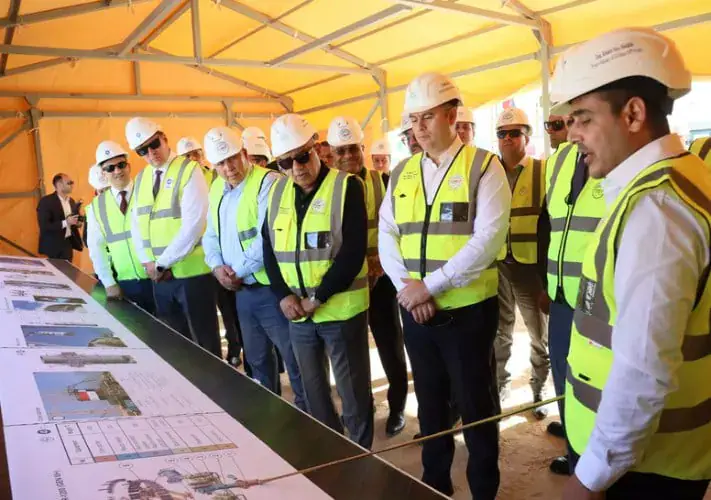
The statements were made during Minister Essmat's inspection tour of the Dabaa nuclear power plant in the Matruh governorate on Monday, November 23, 2026. This visit coincided with the sixth annual anniversary of nuclear energy and the 50th anniversary of the establishment of the Nuclear Power Plants Authority for Electricity Generation. The Dabaa project is a significant component of Egypt's strategy to expand clean energy sources.
The Dabaa nuclear power plant is expected to reduce carbon emissions by approximately 20 million tons, aligning with Egypt's push for greater reliance on clean energy. The project also boasts a considerable Egyptian workforce, with nationals comprising over 30% of the actual labor force. This participation underscores the involvement of local expertise in one of Egypt's largest energy projects.
The plant consists of four nuclear units with a total capacity of 4800 megawatts, with each unit having a capacity of 1200 megawatts. The project utilizes third-generation VVER-1200 reactors, contributing to the diversification of Egypt's energy mix and enhancement of its electricity security. This development is critical for supporting the country's economic and environmental goals.
The project's progress and financial arrangements have been a subject of interest, given its strategic importance to Egypt's energy sector. The assurance of no additional financial burden and the structured repayment plan are expected to alleviate concerns among stakeholders. The project's advancement reflects a collaborative effort between Egypt and Russia, focusing on sustainable energy solutions.
As the project nears its operational phase, attention will focus on its impact on Egypt's energy landscape and its role in reducing the country's carbon footprint. The successful completion and operation of the Dabaa nuclear power plant are anticipated to set a precedent for future energy projects in Egypt, emphasizing the balance between energy security and environmental sustainability.
Key points
- The Dabaa nuclear power plant will reduce carbon emissions by approximately 20 million tons.
- The plant will have a total capacity of 4800 megawatts.
- Repayments for the Russian loan are set to begin in 2032.