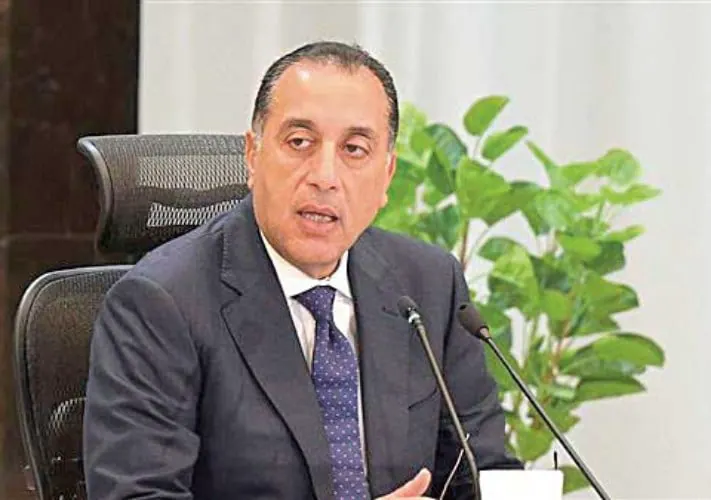
Egyptian Prime Minister Dr. Mostafa Madbouly has highlighted the country's shift towards a more flexible exchange rate system as a key development in managing the economy in recent years. In an interview with CNN Economics, Madbouly explained that a long-standing economic culture in Egypt had linked economic stability directly to a fixed exchange rate. He noted that the state had previously intervened to support the currency and maintain a stable exchange rate.
Madbouly emphasized that past experiences had shown that treating the exchange rate as an end in itself, rather than a tool within the economic stability framework, was not the best economic choice. He stated that adopting a flexible exchange rate policy linked to market mechanisms had boosted confidence among citizens and foreign investors in the Egyptian economy's ability to withstand external shocks.
The Prime Minister pointed to the recent military developments between the US, Israel, and Iran as a significant test of Egypt's economic resilience in the face of external shocks. He noted that international institutions had warned at the start of the crisis that several economies, including Egypt's, would face significant repercussions if there was no flexibility in the exchange rate.
Madbouly revealed that Egypt's economy had successfully navigated these challenges by allowing the exchange rate to fluctuate in line with market conditions. This approach, he said, had enhanced confidence in the economy. The flexible exchange rate system had enabled the economy to adapt to changing circumstances.
The Egyptian economy had faced concerns about its vulnerability to external shocks, given its history of economic challenges. However, Madbouly's comments suggest that the country's economic management has been effective in mitigating these risks. The government's economic policies have been focused on promoting stability and growth.
A flexible exchange rate system is considered a key component of economic resilience, as it allows a country's currency to adjust to changing market conditions. This can help to absorb external shocks and promote economic stability. Egypt's experience in this regard has been closely watched by international observers.
In conclusion, Egypt's economic resilience has been tested by the recent conflict between the US, Israel, and Iran. The country's flexible exchange rate system has played a crucial role in helping the economy to navigate these challenges. The government's commitment to economic stability and growth is expected to continue.
Key points
- Egypt's flexible exchange rate system helped the economy to withstand external shocks.
- The system boosted confidence among citizens and foreign investors.
- The US-Israel-Iran conflict posed significant challenges to Egypt's economy.