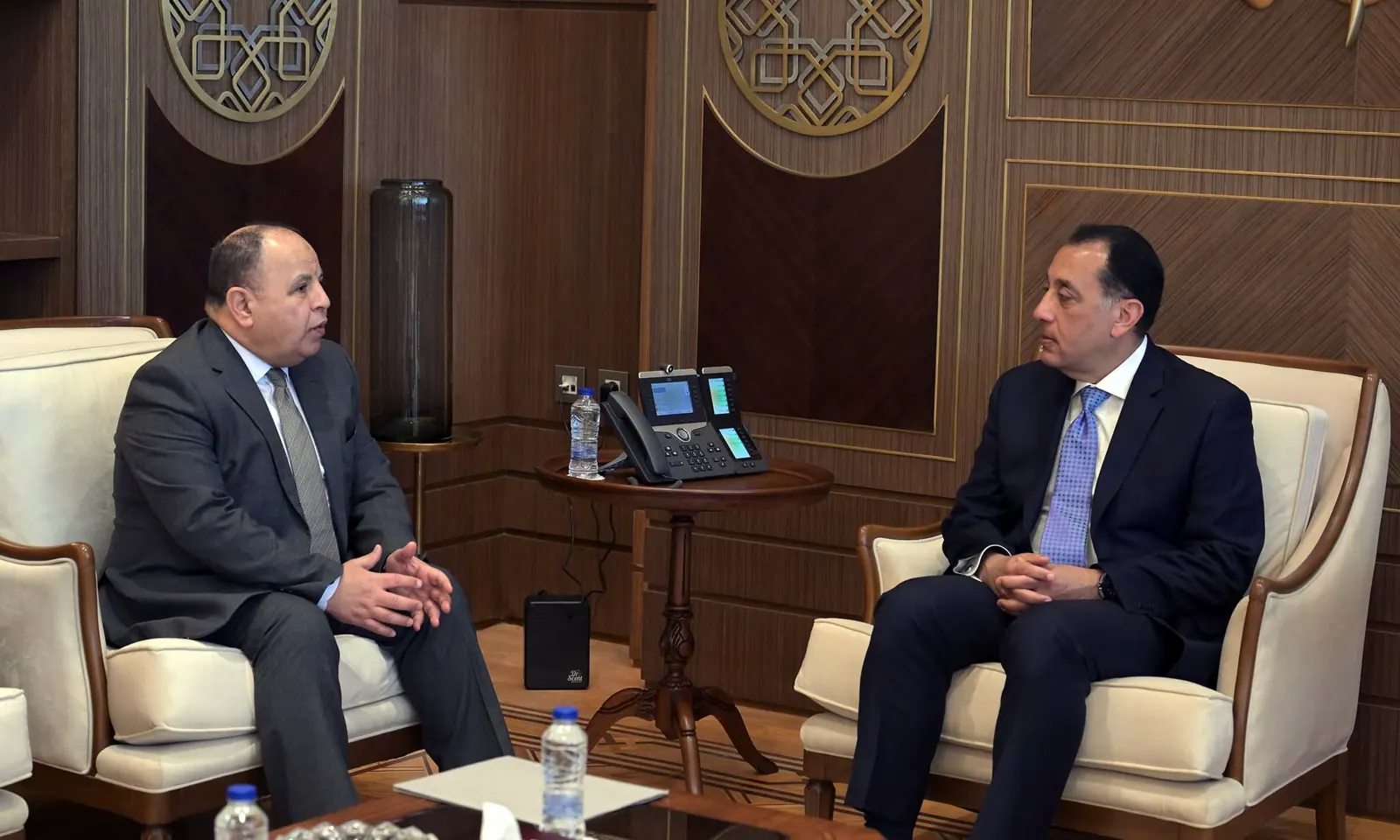
Egypt's economic landscape remains challenging, with the country's economic manager, Mohamed Maait, stating that the current global and regional conditions are not conducive to citizens feeling the improvement in the economy. Maait, who is also the Executive Director of the International Monetary Fund, noted that the microeconomy will not stabilize before the macroeconomy does, which is uncertain given the current circumstances. He cited the rise in oil prices as a significant factor contributing to the instability.
Maait's comments come as the Egyptian government is working to implement economic reforms, including a program of asset sales and privatization. The government aims to raise $1.5 billion from these sales in the current fiscal year, with Finance Minister Ahmed Kouk stating that three to five deals are expected to be completed. This is part of a broader effort to reduce the state's role in the economy and increase private sector participation.
The Egyptian government is also working on a new economic reform program, which will be open to public discussion. The program aims to maintain macroeconomic stability and unlock the private sector's potential. The government has set a target to reduce the central government's debt to 78% of GDP and is working to improve the business environment and provide incentives for investment.
The International Monetary Fund has approved a $1.8 billion loan to Egypt, bringing the total amount of funding to nearly $7.3 billion. The loan is part of a broader effort to support Egypt's economic reforms and help the country navigate the challenges posed by global instability.
In a separate development, the Egyptian Journalists' Syndicate has called for a discussion on the state of journalism and the rights of journalists to take place within the syndicate. The call comes amid a controversy over a proposal to establish a new entity to represent online media outlets.
The proposal, which was put forward by the Minister of State for Information, has sparked a heated debate among journalists and media professionals. The syndicate's president, Khaled El-Balshi, has emphasized the need for any discussion on the rights of journalists to take place within the syndicate, which he sees as the natural home for such debates.
The controversy highlights the challenges facing the media sector in Egypt, where the government has been criticized for its handling of press freedom and the rights of journalists. The debate is likely to continue, with many stakeholders calling for greater protections for journalists and a more open and transparent media environment.
Key points
- Egypt's economic reforms face challenges amid global instability
- The government aims to raise $1.5 billion from asset sales in the current fiscal year
- The International Monetary Fund has approved a $1.8 billion loan to Egypt