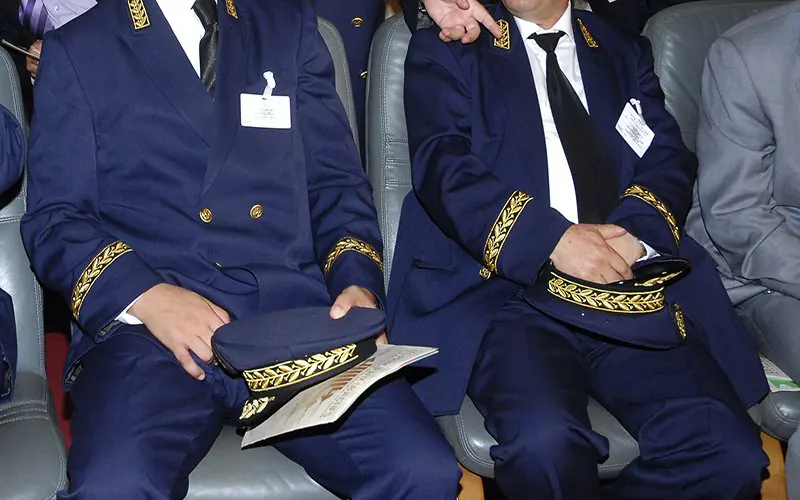
On Wednesday, Algerian President Abdelmadjid Tebboune carried out a partial reshuffle in the ranks of delegated walis for various provinces. This move was made in accordance with Article 92 of the Constitution, as stated in a communiqué from the Ministry of Interior, Local Communities, and Transport. The reshuffle involved the appointment and dismissal of several delegated walis, reflecting the government's ongoing efforts to reorganize and optimize administrative leadership at the local level.
According to the Ministry of Interior's communiqué, Nadir Baitine has been appointed as the delegated walí for the administrative district of Baraqi in Algiers Province. This appointment is part of the broader reshuffle aimed at refreshing the administrative teams in various regions. The Ministry's decision underscores the government's focus on ensuring effective governance and administrative stability across the country.
The partial reshuffle also included the termination of assignments for several delegated walis. Said Boualger was relieved of his duties as the delegated walí for the administrative district of Brika. Similarly, Boualam Alouache and Adel Daoudi were also dismissed from their positions as delegated walis for the administrative districts of Ain Oussera and Messaad, respectively. These changes reflect a broader strategy to inject new leadership and perspectives into the administrative apparatus.
The reshuffle is part of President Tebboune's efforts to maintain a dynamic and responsive administrative system. By making these changes, the Algerian government aims to enhance the effectiveness of its local administration, ensuring that it remains aligned with the evolving needs of the country's regions. The appointments and dismissals are expected to bring about a renewed focus on local governance and service delivery.
The Ministry of Interior, Local Communities, and Transport plays a crucial role in implementing these administrative changes. As the primary body responsible for overseeing local governance, the Ministry ensures that such reshuffles are carried out smoothly and in accordance with legal frameworks. The Ministry's involvement guarantees that the transitions are conducted in an orderly manner, minimizing disruptions to public services.
President Tebboune's decision to carry out this partial reshuffle demonstrates his commitment to maintaining a proactive approach to governance. By regularly assessing and adjusting the administrative team, the President aims to foster an environment of accountability and efficiency. This approach is expected to have a positive impact on the country's administrative landscape, contributing to overall stability and progress.
The impact of these changes will be closely watched by various stakeholders, including local communities and government officials. As the new appointees assume their roles, there will be expectations for enhanced administrative performance and improved service delivery. The success of these appointments will be measured by their ability to address local challenges and implement national policies effectively.
Key points
- Algerian President Abdelmadjid Tebboune carried out a partial reshuffle in the ranks of delegated walis.
- The reshuffle involved the appointment and dismissal of several delegated walis.
- The move aims to enhance the effectiveness of local administration and governance.