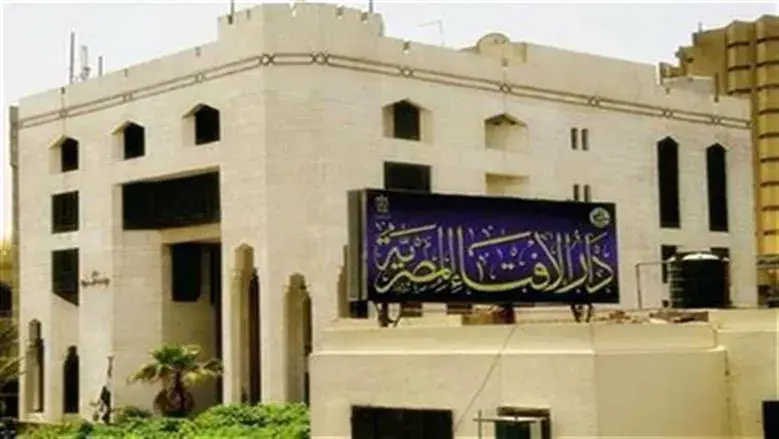
Egypt's Dar Al-Ifta has stated that it is not permissible to evade taxes imposed by the state, even if the taxpayer believes the assessments are unfair or contain injustices. The institution emphasized the need to comply with laws and regulations governing society and avoid lying, forging, and deceiving. According to Dar Al-Ifta, taxes are a financial obligation that the state may impose, in addition to Zakat, to cover public expenditures and provide necessary services and facilities to citizens.
Dar Al-Ifta explained that taxes vary according to laws, circumstances, and public interests, and that many Islamic scholars have legitimized their imposition based on the interest of the nation. The institution stressed that taxes imposed under a regulated legal system differ from unjust taxes taken without right and spent without right. Dar Al-Ifta cited the Quranic verses: "And avoid falsehood" and "Indeed, Allah commands you to return the trusts to their rightful owners."
The institution pointed out that tax evasion involves several illegal actions, including providing false statements or incorrect data to conceal the taxpayer's actual financial situation, which constitutes lying, forging, and bearing false witness. Dar Al-Ifta added that tax evasion represents a breach of trust and obligations towards the state and society and may affect the state's ability to finance national projects and provide care for the most needy.
Dar Al-Ifta referred to Egyptian legislation that includes penalties for tax evasion crimes, noting that the Income Tax Law No. 91 of 2005, as amended, stipulates in Article 133 to punish taxpayers who evade paying taxes with imprisonment for a period of no less than six months and no more than five years, and a fine equivalent to the tax not paid, or one of these two penalties.
The institution emphasized that tax evasion not only violates religious rulings but also exposes the perpetrator to legal accountability according to tax laws. Dar Al-Ifta clarified that officials responsible for estimating and collecting taxes have a religious responsibility to ensure justice and kindness to citizens and avoid injustice and oppression when determining financial obligations.
Dar Al-Ifta pointed out that if a taxpayer believes that the tax assessment is unfair, they have the right to appeal to the competent authorities and follow the available legal channels to object to the estimates and correct them, while fulfilling their obligations according to the law, rather than resorting to evasion or providing false information.
Finally, Dar Al-Ifta stressed that individuals should not be both the plaintiff and the judge at the same time and that objections to tax estimates should be made through legal channels, with the responsible authorities committed to achieving justice and fairness in estimating and collecting taxes.
Key points
- Dar Al-Ifta emphasized that tax evasion is not justified even if taxpayers believe assessments are unfair or unjust.