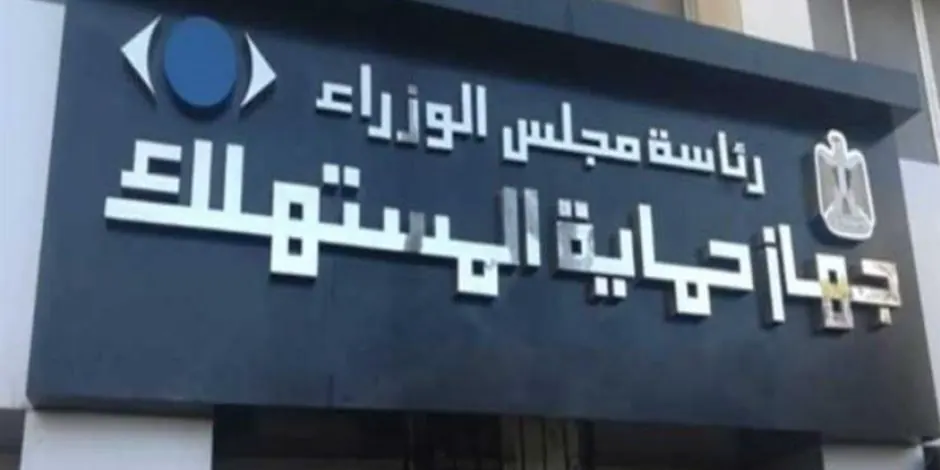
Egypt's Law No. 181 of 2018, which aims to protect consumers, has established regulations for installment sales. The law, which was enacted to safeguard consumers' rights, outlines specific requirements for sales made on installment plans. According to Article 30 of the law, sellers are obligated to provide consumers with a detailed invoice or document that includes essential information about the sale. This information includes the total price of the product, the cash price, the annual interest rate, and the total interest payable over the installment period.
The law also requires that the invoice or document provided by the seller include details about the down payment, if any, as well as information about the party providing the installment plan, its duration, the number of installments, and the value of each installment. Additionally, the document must outline the rights and obligations of both the consumer and the seller in the event that either party fails to fulfill their obligations under the agreement. By mandating this level of transparency, the law aims to protect consumers from unfair or deceptive practices.
One of the key benefits of the law is that it allows consumers to pay off their installments early. According to Article 31, consumers have the right to settle their outstanding balances at any time, and in doing so, they are entitled to a reduction in the interest payable for the remaining period. This provision gives consumers greater control over their financial obligations and can help them avoid excessive interest charges. However, the law also allows for alternative arrangements to be made between the consumer and the seller.
The law also addresses other types of contracts, such as time-sharing agreements and partial ownership arrangements. Under Article 32, consumers who enter into these types of contracts have the right to cancel them within 14 days of signing without having to provide a reason or incur any costs. This provision is designed to protect consumers from being locked into agreements that they may later regret or find unsatisfactory.
The regulations outlined in the law apply to all types of installment sales, including those made through time-sharing agreements or partial ownership arrangements. By establishing clear guidelines for these types of transactions, the law aims to promote fairness and transparency in the marketplace. The law also underscores the importance of protecting consumers' rights and promoting their interests.
Consumer protection is a critical aspect of Egypt's economic landscape, and the 2018 law is a significant step towards ensuring that consumers are treated fairly. The law's provisions are designed to promote a culture of transparency and accountability in business transactions, which can help to build trust between consumers and sellers. By establishing clear rules for installment sales, the law can help to reduce disputes and promote a more stable and secure marketplace.
Overall, Egypt's consumer protection law has significant implications for businesses and consumers alike. By regulating installment sales and promoting transparency, the law can help to create a more level playing field for all parties involved. As the law continues to be implemented and enforced, it is likely to have a positive impact on Egypt's economy and society, promoting a culture of fairness and accountability in business transactions.
Key points
- The law requires sellers to provide detailed invoices or documents for installment sales.
- Consumers have the right to pay off installments early and receive a reduction in interest payable.
- The law applies to various types of contracts, including time-sharing agreements and partial ownership arrangements.