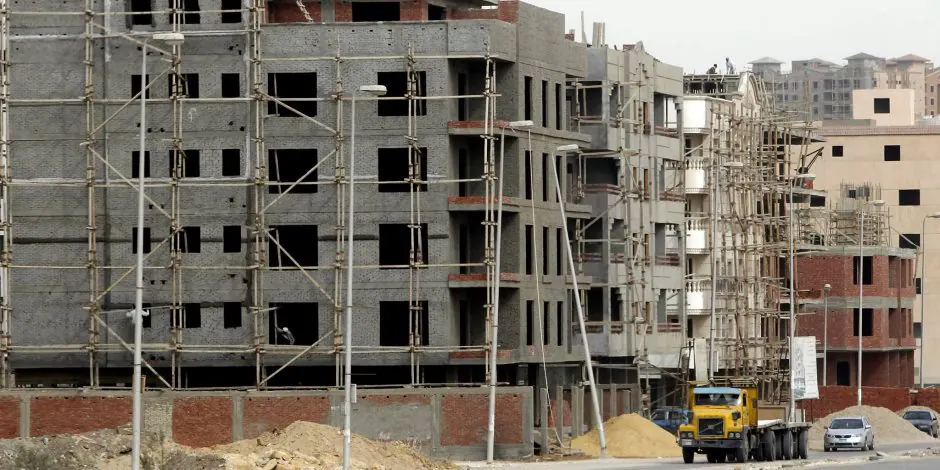
Egypt's law on settling certain building violations outlines specific cases where settlement or regularization is not allowed. The law, as reported by Sawt Al-Umma, aims to maintain structural safety, protect historical sites, and ensure designated land use. It specifies that violations endangering structural safety will not be eligible for settlement. This move is part of broader efforts to enforce compliance with building codes and regulations.
The law explicitly prohibits settlement in cases where building activities threaten structural safety. If a property is deemed a risk to its occupants or surrounding structures, a settlement request will be denied. This measure is designed to protect lives and property by ensuring that only safe and compliant structures are allowed to stand. Authorities are keen on upholding these standards to prevent potential disasters.
Historical sites and areas protected under the Antiquities Law are also exempt from settlement. Any construction activities on such lands will not be eligible for regularization. Similarly, violations occurring in areas protected by the law against pollution of the Nile River and waterways will not be settled. These exemptions underscore the government's commitment to preserving Egypt's cultural heritage and environmental resources.
The law further stipulates that changing the designated use of parking garages to other activities or uses will not be permitted. Such changes could lead to increased traffic congestion and difficulties in finding parking spaces within residential areas. By maintaining the original purpose of these spaces, authorities aim to manage urban planning effectively and mitigate potential urban issues.
Administrative bodies will treat violations falling under these categories as cases that cannot be regularized. If any of the specified reasons for prohibition are present, a settlement request will be rejected. In such instances, the standard legal procedures against the violations will continue. This approach ensures that violations with significant implications for public safety and urban planning are addressed appropriately.
The identification of these violations comes as part of Egypt's efforts to streamline its approach to dealing with unauthorized construction. By clearly defining which violations are not eligible for settlement, the government aims to enhance compliance with building regulations. This move is expected to contribute to safer and better-planned urban environments.
Overall, the law represents a strategic step towards enforcing stricter controls over building practices in Egypt. By focusing on critical aspects such as structural integrity, historical preservation, and appropriate land use, authorities are working to address some of the challenges facing urban development. The implementation of these regulations is set to have a lasting impact on Egypt's construction sector and urban landscape.
Key points
- The law prohibits settlement for building violations that compromise structural safety, are located on historical sites, or involve unauthorized changes to designated land use.