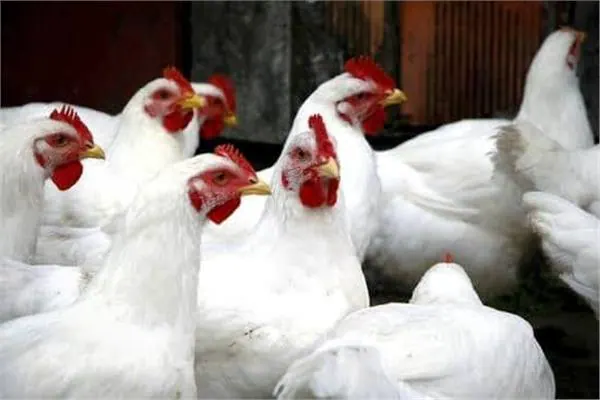
On Saturday, October 3, 2026, the prices of chickens in Egypt varied across different types and regions. According to Akhbar el-Yom, the prices of white chickens ranged between 65 and 70 pounds per kilogram inside the poultry exchange. However, consumers in local markets paid between 75 and 85 pounds per kilogram, depending on the region and transportation costs.
The prices of local chickens, also known as "baladi" chickens, were reported to be around 100 pounds per kilogram on farms. In contrast, consumers in the markets paid between 105 and 110 pounds per kilogram, depending on the region. This variation in prices is attributed to factors such as transportation costs and regional demand.
The prices of Saso chickens, another popular type of chicken in Egypt, were reported to be around 90 pounds per kilogram on farms. In local markets, consumers paid between 100 and 110 pounds per kilogram. The industry of poultry farming plays a vital role in achieving food security in Egypt, with an annual production of approximately 1.4 billion birds.
Egypt's poultry industry is considered one of the largest and most important in the country, achieving almost 100% self-sufficiency. The industry provides employment opportunities for around 3 million people and has a total investment of approximately 100 billion pounds. The sector is also considered one of the most labor-intensive industries in Egypt.
The prices of chickens in Egypt are influenced by various factors, including the cost of feed, transportation, and regional demand. The country's poultry industry has faced several challenges in recent years, including fluctuations in feed prices and outbreaks of bird flu. However, the industry has continued to grow and play a vital role in meeting the country's protein needs.
The Egyptian government has implemented several measures to support the poultry industry, including providing subsidies for feed and vaccines. The government has also established programs to improve the breed and quality of chickens in the country. These efforts aim to increase production and reduce prices for consumers.
In related news, the prices of other food items, such as vegetables, fruits, and fish, have also been reported to vary across different markets in Egypt. According to recent reports, the prices of these items have been influenced by factors such as seasonal fluctuations and regional demand. The prices of these items are expected to continue to fluctuate in the coming days.
Key points
- Egypt's poultry industry achieves almost 100% self-sufficiency with an annual production of approximately 1.4 billion birds.
- The industry provides employment opportunities for around 3 million people and has a total investment of approximately 100 billion pounds.
- The prices of chickens in Egypt vary across different types and regions, influenced by factors such as transportation costs and regional demand.