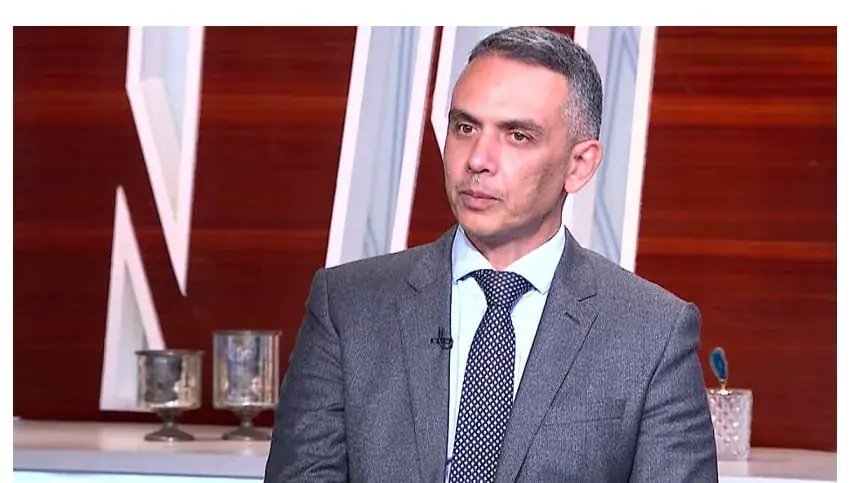
Egypt's central bank independence is crucial in maintaining investor confidence in the country's monetary policy. According to Hani Genena, head of research at Al Ahli Varos, this independence means the bank's decisions are separate from the Ministry of Finance, allowing it to make decisions based on inflation requirements. This may lead to increased borrowing costs for the government and higher budget burdens. Genena noted that this independence is a global principle, not exclusive to Egypt.
Genena explained that the central bank's independent decision-making process may raise borrowing costs for the Ministry of Finance, adding to the budget's burden. However, this autonomy gives local and foreign investors greater confidence in the monetary policy. He cited examples of global central banks facing pressure, such as US President Donald Trump's attempts to influence the Federal Reserve's interest rate decisions. Genena emphasized that Egypt's central bank is moving towards independent decision-making, supporting investor confidence.
The current economic challenges, including rising energy prices and increased interest rates, require careful handling. Genena praised Finance Minister Ahmed Kujuk as a competent and active minister who supports reform. He suggested that the optimal solution is to restructure spending, possibly by adjusting fuel subsidies rather than eliminating them entirely. A partial price increase might occur in January, following the Fuel Price Committee's decision to maintain prices for three months.
Genena discussed the potential impact of these developments on citizens, suggesting that their reactions will mirror those of companies and the government. They will likely focus on essential needs, such as education and food, rather than making large purchases. He acknowledged that citizens already face difficulties in meeting basic needs and that some may postpone buying big-ticket items, such as real estate or cars, for three to six months until the situation stabilizes.
The effects of these economic changes will be widespread, with companies and the government potentially reducing investment spending to navigate the crisis. However, Genena warned that this reduction will impact economic growth rates, as lower spending on expansion and investment projects takes its toll. He emphasized that citizens, like companies, will need to adapt to the new economic reality.
Genena observed that some citizens have begun buying goods in anticipation of price increases, but higher interest rates will raise financing costs, causing many to reassess their purchasing decisions. He predicted that delayed purchases of large items may continue for three to six months until the situation stabilizes. For now, holding cash has become beneficial due to uncertainty and higher borrowing costs.
The Egyptian government and companies will need to navigate these economic challenges carefully. Genena suggested that postponing some investment projects and focusing on essential spending will be crucial in managing the current situation. He emphasized that, despite difficulties, Egypt's economic fundamentals remain strong, and with prudent management, the country can overcome the current challenges.
Key points
- Egypt's central bank operates independently, making monetary policy decisions to combat inflation.
- The current economic challenges require careful handling to maintain investor confidence.
- Citizens and companies may postpone large purchases, focusing on essential needs, until the economic situation stabilizes.