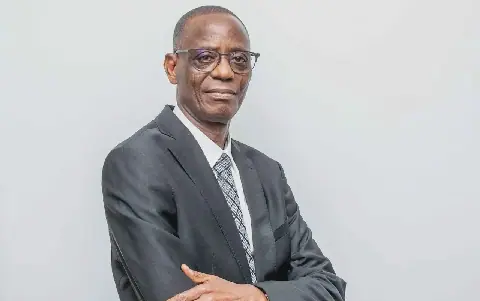
In a recent article, Egyptian writer and intellectual Ahmad Bahaa El-Din warned against the unchecked development of artificial intelligence, citing its potential to cause harm to society and the economy. He drew parallels with his own 1974 article criticizing the economic liberalization policies of President Anwar El-Sadat, which sparked controversy and government ire. El-Din's concerns about AI echo those of international organizations and experts, who warn of the risks of unregulated AI development.
The Egyptian media outlet Al-Masry Al-Youm has also highlighted the risks associated with AI, including cyber attacks, financial fraud, and the spread of misinformation. According to a report by the United Nations, institutions face four main risks related to AI: misuse, misapplication, misleading representation, and accidental risks. These risks can have serious consequences, including damage to national security, economic stability, and human rights.
The article notes that some experts, including a former researcher at OpenAI and Anthropic, have expressed concerns about the potential for AI to cause catastrophic harm. They warn that the development of superintelligent AI could lead to the end of human existence. In response, the Egyptian government has announced plans to train 3 million citizens on AI concepts to raise awareness and build capacity in this field.
The judiciary is also concerned about the risks of AI, particularly in relation to the use of AI-generated documents and evidence in court cases. There have been reports of AI systems producing false or misleading information, which can lead to miscarriages of justice. Furthermore, the use of AI in the justice system raises concerns about data privacy and security.
The article highlights the need for effective governance and regulation of AI to prevent its misuse. However, the current landscape is dominated by a few large tech companies that are investing heavily in AI research and development. These companies have significant influence over the development of AI and its applications, which raises concerns about their impact on society and the economy.
The global investment in AI is substantial, with four tech companies alone investing $650 billion in AI research and development in 2026. This amount exceeds the combined defense budgets of all European Union countries. The article notes that China is the only country that has successfully broken up large tech companies in recent years, and that more needs to be done to regulate the AI industry.
The article concludes that the development of AI poses significant risks to human society, and that effective governance and regulation are needed to prevent harm. The Egyptian media is playing a crucial role in raising awareness about these risks and promoting a more nuanced discussion about the benefits and challenges of AI.
Key points
- The Egyptian media is calling for caution and regulation in the development and use of artificial intelligence to prevent harm to society and the economy.