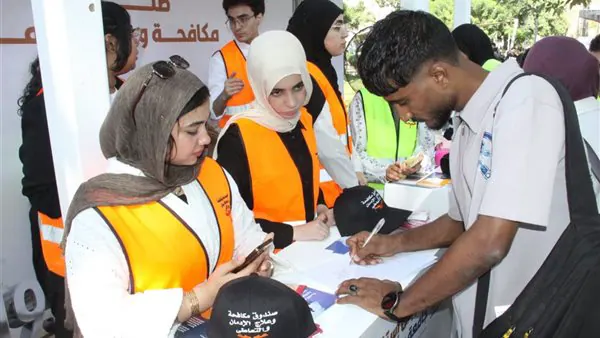
Egypt's university students are engaging with the country's addiction fund in increasing numbers, thanks to innovative approaches such as virtual reality and volunteer work. The fund's "houses of volunteering" have seen significant interaction from students during the first two weeks of the new academic year. These centers have evolved into creative hubs where hundreds of students participate daily in activities aimed at highlighting the dangers of drug abuse.
The "houses of volunteering," located within Egyptian universities, aim to attract young people and educate them on how to prevent drug abuse. They also address inquiries about the harms of drug use and correct misconceptions, such as the idea that drugs enhance focus and memory. The fund implements various awareness programs and training sessions to protect students from addiction and encourage them to volunteer.
A key initiative by the fund is "Shoufha.. Qabl Ma Tajrib Teshufa," which utilizes virtual reality technology to illustrate the psychological, physical, and social consequences of drug abuse. This program provides interactive simulations that educate users about the risks of addiction and teach them refusal skills in a safe environment. The initiative has successfully drawn students and sparked their interest.
Dr. Amr Othman, director of the addiction fund, stated that the "houses of volunteering" are crucial for reaching young people where they are. He mentioned that the fund currently has volunteer centers in several universities and plans to expand to more locations. The fund's strategy includes using innovative awareness methods, such as virtual reality, to convey preventive messages more effectively.
The addiction fund has seen a significant influx of young people eager to join its volunteer association, which currently comprises over 36,000 volunteers nationwide. New volunteers undergo specialized training to qualify them as ambassadors for the fund within their universities and local communities. This enables them to correct misconceptions about drugs and address their peers' inquiries.
University students participating in the "houses of volunteering" activities expressed their satisfaction with the experience. They emphasized that the activities helped them understand the reality of drug abuse, particularly with regard to synthetic and newly emerging substances. The experience also provided them with opportunities to acquire leadership and volunteer work skills.
The addiction fund continues to implement its prevention plan across different age groups, alongside providing free and confidential treatment services for addiction patients through its hotline, "16023." The fund's services include psychological follow-up, social rehabilitation, and community reintegration.
Key points
- The Egyptian addiction fund is using virtual reality technology to raise awareness about the dangers of drug abuse among university students.
- The fund's "houses of volunteering" have attracted significant interaction from students during the first two weeks of the new academic year.
- The fund provides free and confidential treatment services for addiction patients through its hotline, "16023."