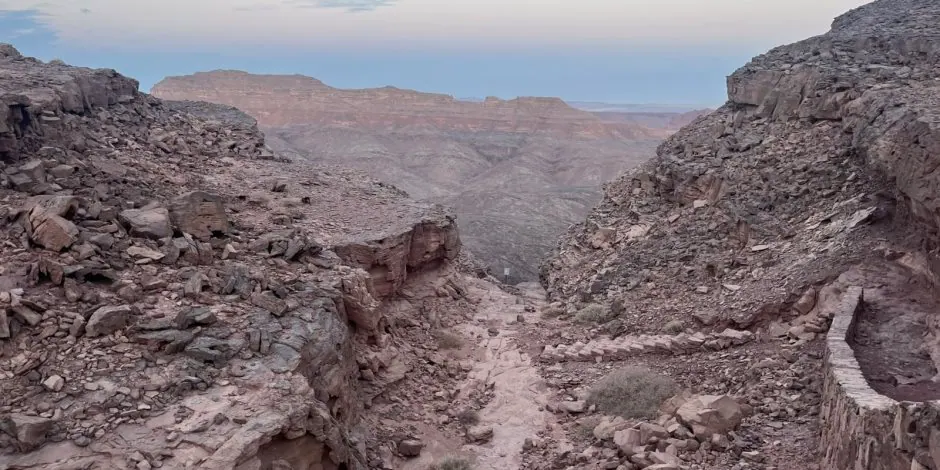
Egypt is commemorating the 50th anniversary of its October victory, a milestone that symbolizes the nation's resilience and military prowess. Amidst the celebrations, another story has resurfaced – one that intertwines the country's rich history with a period of occupation. Deep within the Sinai Peninsula, a unique archaeological site stands as a testament to ancient Egyptian civilization: Serabit el-Khadim. This ancient temple, dedicated to the goddess Hathor, is perched 850 meters above sea level, amidst rugged mountain terrain.
Serabit el-Khadim is not only a religious site but also a window into the organized mining expeditions of ancient Egypt. The region was a significant source of turquoise and copper, minerals that held considerable value in the ancient Egyptian economy. Hathor, as a goddess, was closely associated with these mining activities and was revered as a protector of those who ventured into the desert for these expeditions. The site is replete with inscriptions that document the mining journeys, bearing the names of kings, expedition leaders, and workers.
The connection between Hathor and the mining activities in Sinai underscores the goddess's multifaceted role in ancient Egyptian religion, encompassing love, beauty, music, and joy, as well as protection and guardianship over miners. The inscriptions and hieroglyphics found at Serabit el-Khadim are invaluable resources for understanding the historical and religious context of ancient Egyptian mining operations. These artifacts highlight the advanced organizational skills of the Egyptians and their ability to undertake large-scale projects.
The site of Serabit el-Khadim reveals a complex that combined religious worship with administrative and industrial activities. It was an integral part of the ancient Egyptian mining system, demonstrating the civilization's capability to access and exploit resources in remote areas. This historical significance, however, did not shield the site from the impacts of conflict and occupation. During Israel's occupation of Sinai in 1956 and 1967, the site witnessed a controversial incident involving Moshe Dayan, Israel's then-defense minister.
According to reports and Israeli media accounts, Moshe Dayan ordered the removal of several archaeological pieces from Serabit el-Khadim, including a column with a Hathoric capital, which was then transported to Israel. This act of removal was part of a broader pattern of archaeological exploitation during the occupation. The incident came to light through the testimony of a journalist, Eido Dessentik, whose father had witnessed Dayan's actions firsthand.
The removal of artifacts from Serabit el-Khadim by Israeli forces during the occupation of Sinai is a stark reminder of the challenges faced by nations in protecting their cultural heritage during times of conflict. The return of these artifacts to Egypt signifies not only the recovery of national treasures but also a gesture of respect for the cultural and historical legacy of the Egyptian people.
As Egypt celebrates the 50th anniversary of its October victory, the story of Serabit el-Khadim and the controversial actions of Moshe Dayan serve as a poignant reminder of the enduring importance of preserving cultural heritage. The incident underscores the need for vigilance and cooperation in protecting archaeological sites and artifacts from exploitation and damage, ensuring that the rich history of civilizations like ancient Egypt can be appreciated and studied for generations to come.
Key points
- Moshe Dayan's removal of artifacts from Serabit el-Khadim during Israel's occupation of Sinai highlights the challenges of preserving cultural heritage during conflict.