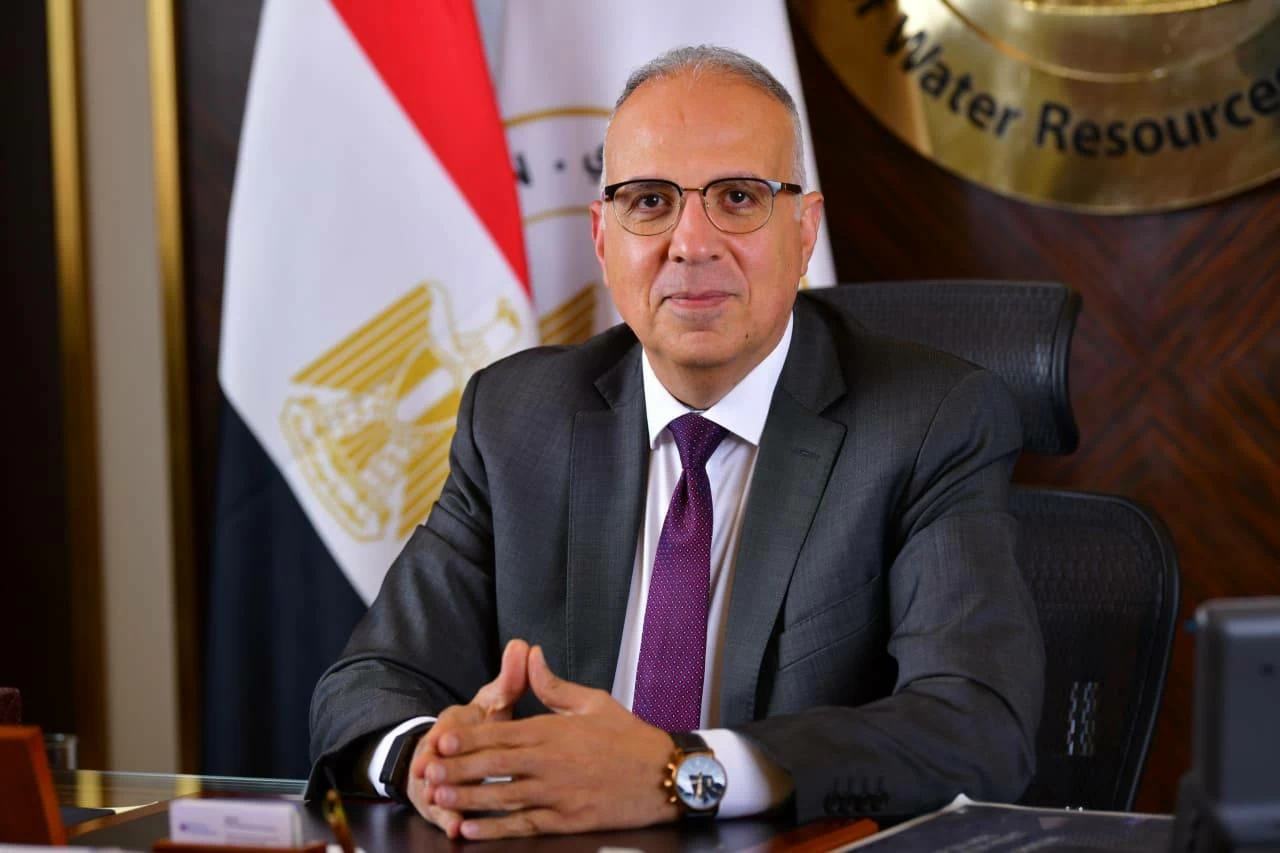
Egyptian Minister of Water Resources and Irrigation, Hani Suwelim, has stated that Egypt refuses to acknowledge Ethiopia's sovereignty over the Nile River. He emphasized that the massive storage capacity of the Grand Ethiopian Renaissance Dam (GERD) necessitates a legally binding agreement that regulates filling and operation. Suwelim warned Ethiopia against taking unilateral actions that may harm the rights of Nile basin countries.
Suwelim mentioned that the absence of a coordination mechanism for dam operation and data exchange has already caused harm to Egypt and Sudan. He cited an incident where Ethiopia unexpectedly released large amounts of water, which nearly destroyed Sudanese dams. The minister stressed that Egypt's stance on the GERD is not against African development projects but rather emphasizes the need for legal rules governing the use of shared international rivers.
Suwelim explained that Egypt's position is based on the 2015 Declaration of Principles (DoP), which outlines a framework for cooperation and a roadmap for reaching an agreement on filling and operating the GERD. However, he noted that Ethiopia has not implemented any of the DoP's provisions. Suwelim rejected Ethiopia's claims of absolute sovereignty over the Nile, stating that it is not acceptable under international law.
The Egyptian minister highlighted the difference between building a dam on a domestic river and one on an international river shared by multiple countries. He suggested that Ethiopians need to be educated on the legal aspects of the GERD. Suwelim emphasized that Egypt will not allow Ethiopia to control or monopolize the Nile, which is vital for Egypt's citizens.
Suwelim stated that Egypt is not seeking to manage the GERD but rather to establish a foundation for legal cooperation. He expressed Egypt's commitment to peaceful resolution and cooperation, citing the country's approval of several development projects in Ethiopia and Uganda. Recently, Egypt also approved the construction of the Fowla Dam in South Sudan.
The minister clarified that Egypt's approval of the Fowla Dam in South Sudan was based on thorough hydrological studies that concluded its impacts on the Nile were acceptable. He argued that this demonstrates Egypt's supportive stance on development in the region. Suwelim emphasized that Egypt does not oppose African development projects but insists on the need for a legal framework for shared rivers.
Egypt, Ethiopia, and Sudan have been negotiating the GERD's filling and operation for years without reaching a final agreement. The Egyptian government has maintained a vigilant stance to protect its citizens' water interests. The situation remains unresolved, with Egypt insisting on a binding agreement to ensure fair and sustainable use of the Nile's resources.
Key points
- Egypt rejects Ethiopia's claim of sovereign rights over the Nile River.
- Egypt insists on a legally binding agreement for the GERD's filling and operation.
- Egypt supports development projects in Africa but emphasizes the need for a legal framework for shared rivers.