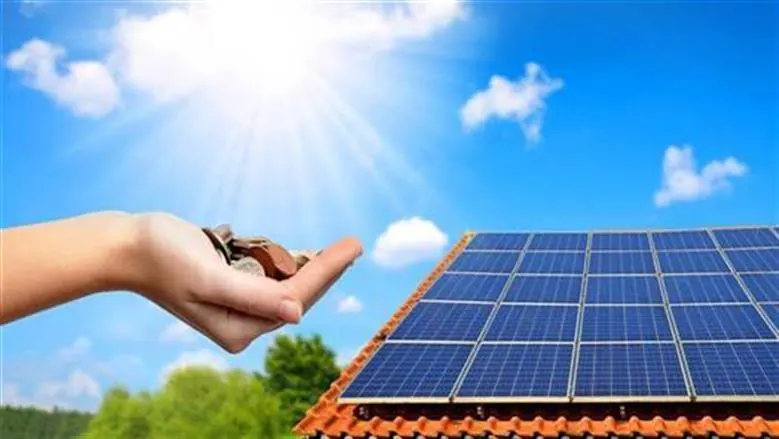
Egypt has emerged as one of the top 3 African markets for solar energy growth, with 500 megawatts of new capacity added in 2025. According to a report by the Information and Decision Support Center of the Egyptian Cabinet, the solar energy sector is witnessing rapid transformation, driven by decreasing technology costs and improving efficiency. The report highlights that solar energy has become a key driver of investment, manufacturing, energy security, and job creation in emerging and developing economies.
The report notes that Asia is the main driver of global solar energy expansion, with China and India leading the way. China's solar energy capacity has grown significantly, with photovoltaic energy accounting for over 10% of the country's electricity generation in 2025. India is also experiencing rapid growth, driven by increasing electricity demand, urbanization, and the need for cost-competitive new capacity. The report cites data from the International Energy Agency, which predicts that solar energy will account for a significant share of global renewable energy expansion between 2025 and 2030.
Africa is also witnessing significant growth in solar energy, driven by its abundant solar resources and decreasing technology costs. The continent's solar energy capacity has grown from 3 gigawatts in 2016 to 22.2 gigawatts in 2025. The report highlights that Africa added a record 54% more solar energy capacity in 2025 compared to the previous year, with the top 10 African markets accounting for 90% of new additions. South Africa, Nigeria, Egypt, and Algeria were among the leading markets.
Egypt's solar energy market is expected to continue growing, with 2 gigawatts of new capacity expected to be added in 2026. The country is also investing in local manufacturing, with Chinese company Sunref Solar establishing a factory to produce solar cells and modules with a capacity of 2 gigawatts. The project is expected to create over 1,800 jobs and increase Egypt's solar energy production.
The report identifies three key drivers of solar energy growth in Africa: decreasing technology costs, increasing electricity demand, and the need for job creation and economic growth. The report notes that solar energy can help address Africa's energy access challenges, with over 560 million people in sub-Saharan Africa lacking access to electricity. Initiatives such as the "Mission 300" initiative aim to provide electricity to 300 million people in Africa by 2030.
Solar energy is also creating new job opportunities in Africa, with the sector providing 33,800 jobs in South Africa in 2024. In Egypt, the number of jobs in the solar energy sector has grown to 5,900, driven by increasing installations and local manufacturing. The report highlights that solar energy can help drive economic growth and create new opportunities for African countries.
The growth of solar energy in Africa is expected to continue, driven by decreasing technology costs, increasing electricity demand, and the need for job creation and economic growth. The report notes that solar energy can help address Africa's energy access challenges and create new opportunities for economic growth and development.
Key points
- Egypt added 500 megawatts of new solar energy capacity in 2025.
- Africa's solar energy capacity grew by 54% in 2025 compared to the previous year.
- Solar energy is creating new job opportunities in Africa, with 33,800 jobs in South Africa and 5,900 jobs in Egypt.