Egypt's Ministry of Health and Population recently participated in the 'Telehealth Connect 2026' conference in Tunisia, organized by the Tunisian Ministry of Health under the patronage of President Kais Saied. The event was held in collaboration with the World Health Organization, the World Bank, the International Telecommunication Union, and the Africa Centres for Disease Control and Prevention. Egypt's ministry organized a roundtable discussion on 'Enhancing Equitable Access to Diagnostic Imaging through Remote Radiology: From WHA79.9 Resolution to Regional Implementation.'
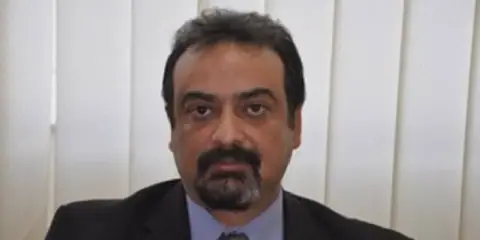
The roundtable discussion was led by Dr. Mohamed Fouzi, advisor to the Minister of Health for Radiology. Fourteen experts from Tunisia's Ministry of Health, the World Health Organization, Borno State in Nigeria, Tunisian specialized associations, and technical and investment partners participated in the discussion. The meeting focused on implementing the World Health Assembly's Resolution WHA79.9, which Egypt led and was approved on May 22, 2026.
Participants agreed that radiology technologies have proven effective at the national level. However, challenges persist in licensing, regulatory frameworks for data, sustainable financing, and the absence of a permanent regional platform. To address these challenges, the participants proposed three practical steps. These steps include launching an initial cross-country experiment to test licensing, data, workforce, and payment mechanisms.
The second proposed step involves establishing a permanent regional platform to facilitate collaboration and knowledge sharing. The third step entails agreeing on measurable outcome indicators in advance. The participants urged member states to participate in this experiment in line with Resolution WHA79.9. Egypt's Ministry of Health and Population expressed its readiness to exchange expertise and cooperate with sister countries.
This cooperation aims to ensure that the quality of diagnosis is not linked to a patient's place of residence. The Ministry of Health and Population is committed to promoting equitable access to diagnostic imaging services. The 'Telehealth Connect 2026' conference provided a platform for countries to share experiences and best practices in telemedicine and remote radiology.
The event highlighted the importance of leveraging technology to improve healthcare outcomes, particularly in low-resource settings. Egypt's proposal for remote radiology and enhanced diagnostic justice aligns with the World Health Organization's efforts to strengthen health systems and promote universal health coverage.
The implementation of remote radiology services has the potential to improve healthcare access and outcomes in Egypt and other countries in the region. The proposed steps will be crucial in enhancing diagnostic capabilities and promoting equitable access to healthcare services.
Key points
- Egypt's Ministry of Health and Population proposes practical steps for remote radiology and enhanced diagnostic justice at the 'Telehealth Connect 2026' conference in Tunisia.
- The proposed steps include launching a cross-country experiment, establishing a regional platform, and agreeing on measurable outcome indicators.
- Egypt's Ministry of Health and Population is committed to promoting equitable access to diagnostic imaging services and exchanging expertise with sister countries.