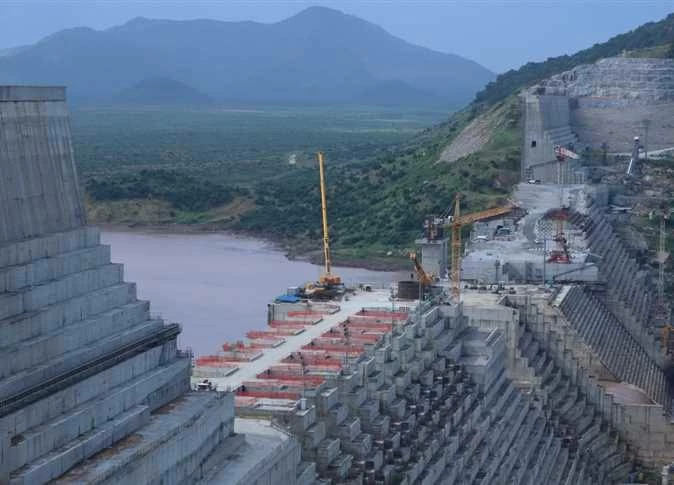
Egypt's former Minister of Water Resources and Irrigation, Dr. Mohamed Abdel Aty, has stated that Egypt has prepared several projects to address potential emergencies resulting from the Ethiopian Grand Renaissance Dam. These projects aim to optimize water use and reduce the impact of potential floods or droughts. Abdel Aty emphasized that Egypt has not objected to Ethiopia's development projects, particularly given the country's substantial groundwater reserves.
Abdel Aty noted that Ethiopia has approximately 40 billion cubic meters of groundwater, which can support agricultural development without affecting the Nile River's water levels. He made these remarks during a phone interview with Egyptian journalist Ahmed Musa on his program "On My Responsibility," broadcast on the Egyptian channel Sada El-Balad. Abdel Aty's comments come amid ongoing discussions about the potential impacts of the Ethiopian dam on Egypt's water security.
The former minister also responded to comments made by an Ethiopian minister regarding Egypt's Aswan High Dam. Abdel Aty stated that the Aswan High Dam does not pose a risk to Ethiopia, unlike the Ethiopian dam, which could have significant consequences for Egypt. He emphasized that Egypt's dam is designed to regulate the Nile's waters and mitigate the effects of droughts and floods.
Abdel Aty revealed that Egypt has been working on several projects to enhance its water management infrastructure, including the development of wastewater treatment plants and the rehabilitation of the Aswan High Dam. These projects aim to reduce the country's vulnerability to potential shocks resulting from changes in the Nile's water levels. Egypt's efforts are focused on ensuring the optimal use of its water resources.
The Ethiopian Grand Renaissance Dam has been a topic of concern for Egypt, with some experts warning about the potential risks of the dam's construction. Abdel Aty stressed that Egypt must take precautions to mitigate potential risks, even if the likelihood of an emergency is low. He cited satellite imagery and irregular land subsidence patterns as evidence of potential risks associated with the dam.
Egypt's concerns about the Ethiopian dam are driven by the potential impacts on its water security and the livelihoods of its citizens. Abdel Aty emphasized that the country's water resources are essential for its economic and social development. Egypt has been engaging in diplomatic efforts to address its concerns about the dam and ensure that its water rights are protected.
The situation surrounding the Ethiopian Grand Renaissance Dam remains a complex and sensitive issue, with multiple stakeholders involved. Abdel Aty's comments highlight Egypt's proactive approach to addressing potential risks and ensuring the optimal use of its water resources. The country's efforts to enhance its water management infrastructure are crucial in mitigating the impacts of potential emergencies.
Key points
- Egypt prepares projects to address potential emergencies resulting from the Ethiopian dam.
- Egypt has not objected to Ethiopia's development projects, given the country's substantial groundwater reserves.
- Egypt's water resources are essential for its economic and social development.