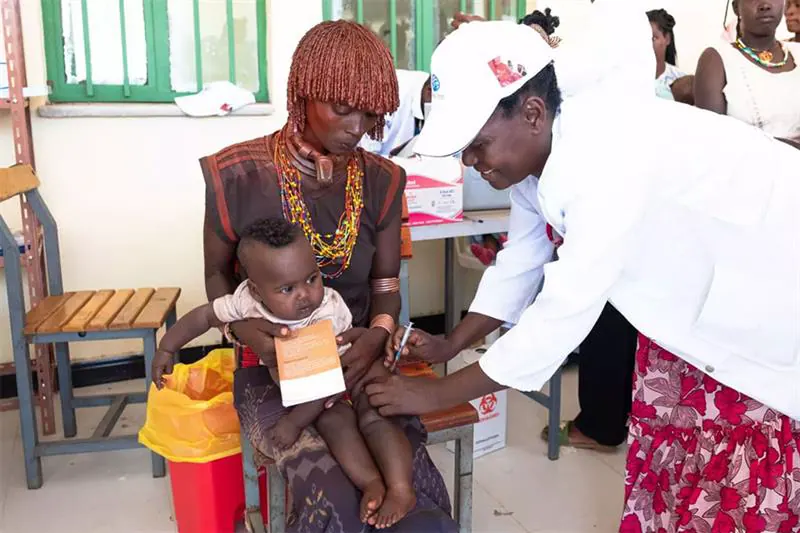
Ethiopia has witnessed a significant resurgence of malaria, with reported cases exceeding 10 million in 2024, compared to fewer than one million in 2019. The World Health Organization (WHO) has documented a dramatic increase in malaria cases after years of progress in controlling the disease. According to the WHO country profile, approximately 12.4 million malaria cases and 22,400 deaths were reported in Ethiopia in 2024.
The western Ethiopian region of Benishangul-Gumuz, which hosts the Grand Ethiopian Renaissance Dam (GERD), has long faced a high malaria burden. Research from Mankush Health Centre in Guba district, where much of the reservoir is located, documented substantial malaria positivity among patients tested between 2014 and 2018. The study found that of 16,964 suspected patients tested during that period, 8,658 tested positive for malaria.
The situation across Ethiopia has worsened, with the WHO identifying climatic variability, conflict, displacement, disruption to health services, and vector-control programmes, as well as the spread of the invasive mosquito Anopheles stephensi, as important concerns. The malaria parasite requires suitable temperature and humidity conditions, and standing water provides a habitat for the mosquito vector, but does not itself transmit malaria.
A recent JAMA study investigated whether emerging drug-resistance and diagnostic-escape mutations in malaria parasites were contributing to Ethiopia's resurgence. The study found genetic changes in malaria parasites that can make diagnosis more difficult, including the loss of genes responsible for producing histidine-rich proteins 2 and 3. These deletions can cause false-negative results, delaying diagnosis and treatment.
The JAMA study also detected molecular markers associated with partial artemisinin resistance, reduced susceptibility to other antimalarial medicines, and diagnostic escape. These findings raise concern about the durability of existing control strategies and reinforce the need for therapeutic-efficacy monitoring. Researchers are examining triple artemisinin-based combination therapies, which add a second partner medicine.
According to Dr. Mohamed Abdel-Salam, the malaria parasite has undergone genetic changes that can make it difficult to diagnose early with the tests being used and more difficult to control with the available two-drug therapies. This threatens to bring the spectre of malaria deaths back across Africa, with Ethiopia becoming one of the most worrying points.
Controlling malaria requires treating infected patients and reducing transmission through vector-control measures, including insecticide-treated nets, indoor residual spraying, and management of mosquito-breeding habitats. The spread of Anopheles stephensi, which can breed in urban water-storage containers, adds another challenge to malaria control in Ethiopia.
Key points
- Reported malaria cases in Ethiopia exceeded 10 million in 2024.
- The malaria resurgence in Ethiopia is attributed to various factors, including climatic variability and disruptions to health services.
- Genetic changes in malaria parasites have made diagnosis and treatment more challenging.