Egyptian ports achieved significant growth in 2025, handling 233 million tons of cargo and 11.1 million twenty-foot equivalent units (TEUs). This represents a 12% increase in cargo and a 25% increase in TEUs compared to the previous year. The growth is attributed to successful investment in container and multipurpose terminals, as well as partnerships with international shipping lines and terminal operators.
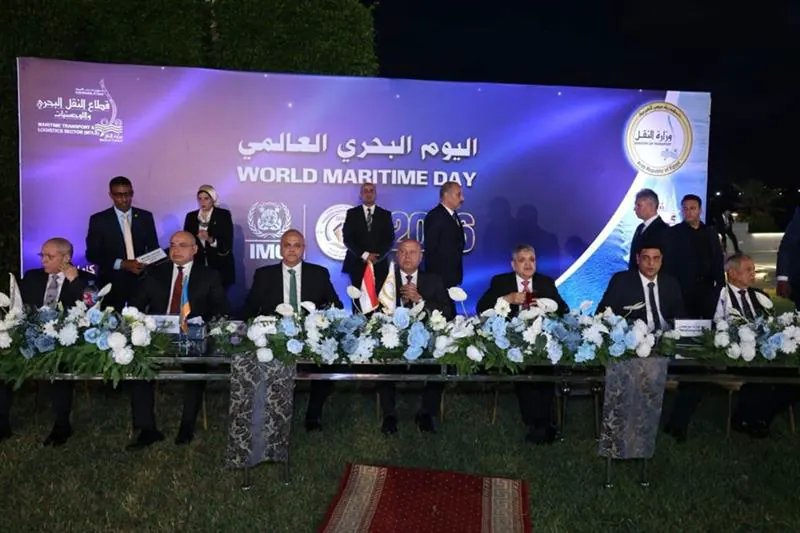
The growth in cargo and container traffic reflects Egypt's strategic location as a central route for global trade. The country's ports have become a key component of its economic development strategy, driving efforts to become a regional transport, logistics, and transit-trade hub. Minister of Transport Kamel Al-Wazir announced the figures during Egypt's World Maritime Day celebration in Alexandria.
Egypt ranked 19th globally in the Liner Shipping Connectivity Index (LSCI) in 2025, up from 23rd in 2024. This places Egypt first in Africa and second among Arab countries. The LSCI measures countries' integration into global liner shipping networks using indicators such as ship calls, container-handling capacity, and direct connections to other countries.
The Egyptian government aims to further improve its ranking by expanding port infrastructure and operational capacity. The goal is to place Egypt among the world's top 15 countries on the LSCI by 2030. This will be achieved by attracting major shipping lines, including Maersk, Mediterranean Shipping Company (MSC), and CMA CGM.
Egypt is developing eight international logistics and development corridors, linking Mediterranean and Red Sea ports with dry ports and industrial, agricultural, and mining areas. These corridors will be connected through the national railway network, high-speed electric railway, and motorway system, reducing cargo-handling time and costs.
The development corridors include the Arish–Taba, Sokhna–Alexandria, and Berenice–Aswan–East Owainat–Kufra–N’Djamena corridors. The Berenice–Douala logistics corridor, part of which forms the Berenice–Aswan–East Owainat–Kufra–N’Djamena route, aims to connect Egypt's Red Sea coast with landlocked African markets.
Egypt's port development plan includes establishing five new commercial ports, expanding port areas, and adding 70 kilometres of berths. The plan also involves constructing 35 kilometres of breakwaters and developing navigational channels and a maritime tugboat fleet. The country is also pursuing a green transition through environmentally sustainable ports and low-emission marine fuels.
Key points
- Egyptian ports handled 233 million tons of cargo and 11.1 million TEUs in 2025.
- Egypt aims to place among the world's top 15 countries on the LSCI by 2030.
- Egypt is developing eight international logistics and development corridors to reduce cargo-handling time and costs.