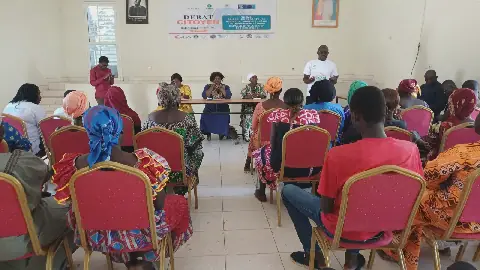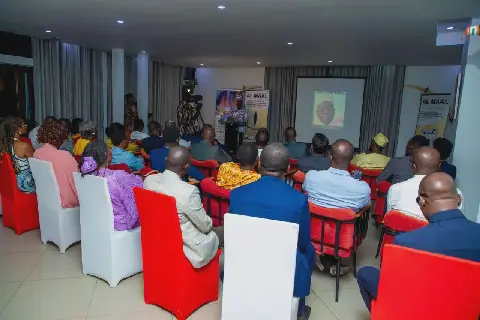
In a significant move to protect the country's avifauna, Egypt has launched a national team to combat illegal bird hunting. The team was established during a meeting in Alexandria, which was attended by various stakeholders. The initiative aims to bring together different parties to address the issue of bird poaching and promote biodiversity conservation. The team will work to develop a national framework to combat illegal hunting and promote sustainable practices.
The meeting discussed the team's organizational structure, terms of reference, and roles and responsibilities. A roadmap for 2026-2030 was also outlined, focusing on awareness-raising, community engagement, financing, and building partnerships. The team will also focus on legislation, enforcement, scientific research, and data exchange. The economic and social aspects of hunting will also be addressed. Key areas of focus include developing a comprehensive strategy to combat bird poaching and promoting community involvement.
The team has elected a chairman and formed sub-committees to oversee various aspects of the work. The sub-committees will focus on reviewing legislation and policies, research and monitoring, economic alternatives, and awareness-raising. The team will work to distribute work among the sub-committees while maintaining coordination and integration. This move is seen as a crucial step towards starting systematic work to combat bird poaching.
The team has proposed several practical measures to promote community engagement and behavior change. These include developing awareness programs targeting different groups and enhancing the role of local communities in designing and implementing solutions. The team will also explore economic alternatives suitable for each community and develop a voluntary commitment to reduce illegal hunting of migratory birds.
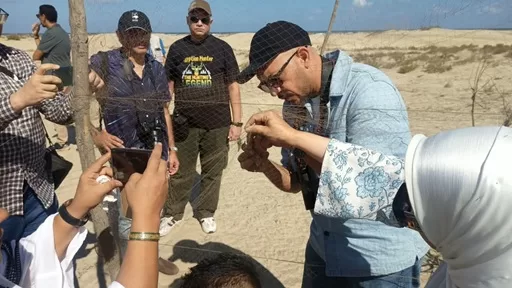
Following the meeting, the team visited the Burullus area in Kafr El Sheikh governorate to gain a deeper understanding of the issue. The visit provided an opportunity to observe hunting practices and engage with hunters. The team also witnessed attempts to rescue and release trapped birds and learned about the bird trade in the region.
The visit highlighted the complexity of the issue, which is linked to environmental, economic, and social factors. The team recognized the importance of addressing the root causes of bird poaching and promoting sustainable practices. The visit also underscored the role of social media in promoting hunting content.
The experience has emphasized the need for a comprehensive approach that combines institutional work, scientific research, fieldwork, and community engagement. This approach will help develop effective interventions that are tailored to local needs and contexts. The team is expected to play a crucial role in protecting Egypt's birdlife and promoting biodiversity conservation.
Key points
- Egypt establishes national team to combat illegal bird hunting
- Team to focus on awareness-raising, community engagement, and legislation
- Initiative aims to promote sustainable practices and protect biodiversity