The Egyptian Ministry of Education has announced plans to introduce programming and artificial intelligence (AI) to the technical education curriculum, starting from the current academic year. According to Minister of Education, Mohamed Abdel Latif, this move aims to equip students with the necessary skills and knowledge to keep pace with technological advancements and meet the demands of the job market. The introduction of programming and AI will enable students to acquire the skills required to succeed in the digital age.
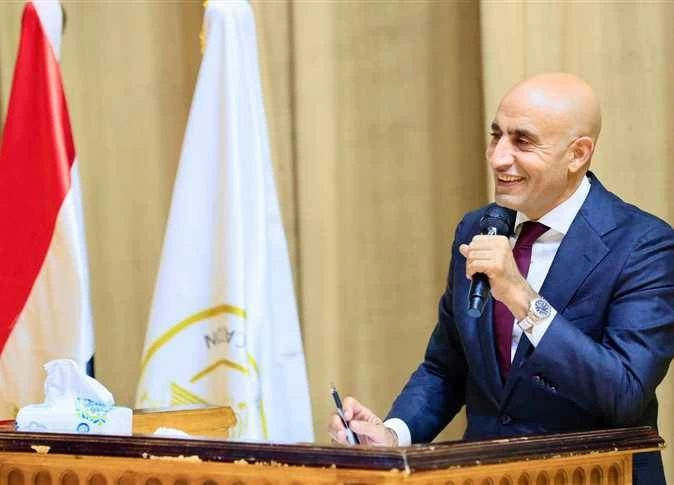
The Ministry of Education is working to provide students with tablets and access to a Japanese platform to support the educational process. This initiative is part of the government's efforts to enhance the quality of education and provide students with modern technological tools. The Minister made these announcements during the opening of the Engineer Abdel Hamid Abu Bakr Secondary School for Applied Technology and Renewable Energy in Ismailia. The school is one of the technical schools that will offer programs in programming and AI.
The opening of the school is part of the government's plan to expand the network of applied technology schools. This expansion aims to strengthen partnerships with the private sector and civil society organizations, producing graduates with the necessary skills to meet the needs of the job market. The school's programs will focus on areas such as technology, industry, and renewable energy. The Minister expressed his satisfaction with the opening of the school, which offers a specialty that is in high demand both locally and internationally.
During the opening ceremony, the Minister praised the efforts of Khaled Abu Bakr, the industrial partner and founder of the Abu Bakr Foundation for Technical Education and Applied Technology. He also thanked all those involved in establishing the school. The Minister emphasized that the Ministry is committed to expanding this model of education, which is closely linked to the needs of the job market. He stressed that the goal is to provide students with a comprehensive educational experience that combines theoretical and practical learning.
The Minister highlighted that the Ministry's strategy focuses on increasing the number of applied technology schools. This strategy aims to improve the quality of technical education and provide students with the necessary skills to compete in the job market. The Minister emphasized the importance of linking education to the needs of the labor market, with a focus on practical training and work experience. This approach will enable graduates to acquire the skills and knowledge required to succeed in their chosen careers.
The introduction of programming and AI to technical education is part of the Ministry's efforts to prepare graduates for the demands of the modern job market. The Minister stressed that the Ministry is working to establish partnerships with international organizations to develop technical education. For example, the Ministry has collaborations with Germany, Italy, and Japan to establish applied technology schools that meet international standards. These partnerships will enable Egyptian students to acquire international qualifications and compete in the global job market.
The Minister concluded that the Ministry is committed to providing students with a high-quality education that meets the needs of the job market. The introduction of programming and AI to technical education is a significant step towards achieving this goal. With the expansion of applied technology schools and partnerships with international organizations, the Ministry aims to produce graduates who are equipped with the skills and knowledge required to succeed in the digital age.
Key points
- Introduction of programming and AI to technical education curriculum
- Expansion of applied technology schools to meet job market demands
- Partnerships with international organizations to develop technical education