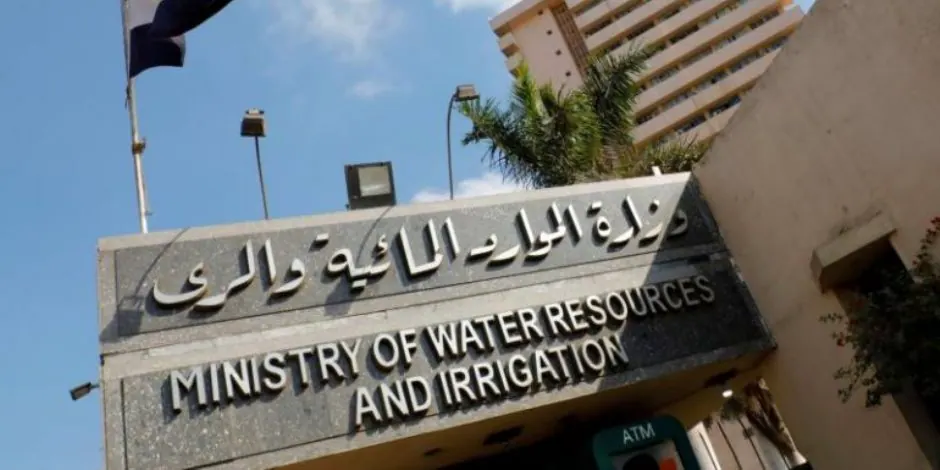
The Egyptian government has implemented a law that strictly prohibits individuals and entities from constructing facilities or undertaking activities that harvest rainwater and floodwaters in natural valleys without obtaining a license from the relevant ministry. This law, part of the country's water resources and irrigation regulations, aims to manage and conserve water resources effectively. The law specifies that any violations will attract penalties.
According to the law, individuals found guilty of violating the regulations will face imprisonment for a period not exceeding one year and/or a fine ranging from 10,000 to 50,000 Egyptian Pounds (EGP). In cases where the violation is repeated, the penalty will be doubled. This strict stance is intended to protect the country's water resources and ensure their optimal utilization.
The law also outlines the procedures and necessary documentation for obtaining licenses for activities conducted within public domain areas. The executive regulations of the law provide detailed guidelines on the management of water resources and public properties, including the process for acquiring permits for various activities.
The move is part of Egypt's broader efforts to manage its water resources sustainably. The country's water policy emphasizes the importance of conserving water and ensuring its equitable distribution among various sectors. By enforcing strict regulations on water harvesting, the government aims to prevent the misuse of water resources and protect the environment.
The regulations have significant implications for both public and private entities involved in water resource management. Companies and individuals engaged in activities that impact water resources are required to comply with the new regulations and obtain the necessary licenses. Failure to comply may result in severe penalties, including fines and imprisonment.
Egypt's water resources are under increasing pressure due to population growth, urbanization, and climate change. The government's efforts to manage these resources effectively are critical to ensuring the country's sustainable development. By enforcing regulations on water harvesting, the government aims to mitigate the risks associated with water scarcity and protect the environment.
The implementation of the law is expected to enhance the country's ability to manage its water resources efficiently. The regulations will also contribute to the country's efforts to achieve sustainable development goals, particularly those related to water resources management and environmental protection.
Key points
- The law prohibits unlicensed water harvesting with penalties of up to one year in prison and a fine of up to 50,000 EGP.
- The regulations aim to manage and conserve water resources effectively.
- The law outlines procedures for obtaining licenses for activities within public domain areas.