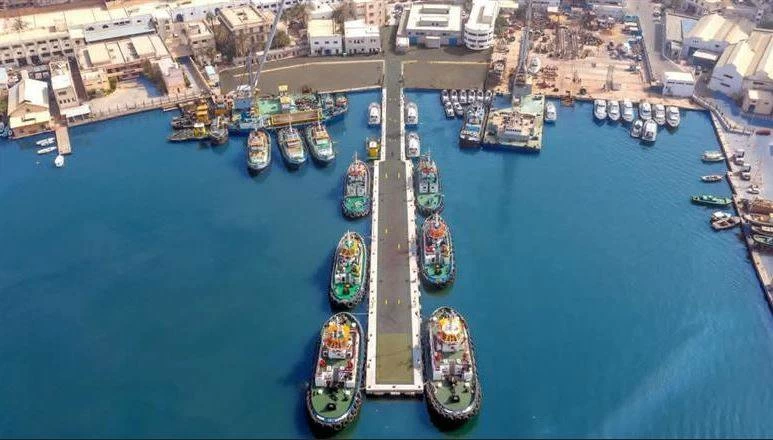
The Egyptian government, through the Ministry of Transport, has announced plans to develop 8 international logistics corridors. These corridors will connect the country's Red Sea and Mediterranean ports, as well as the Suez Canal axis, to inland dry ports, industrial, agricultural, and mining areas. This initiative aims to create an efficient transportation network, reducing transit times and costs, and boosting Egypt's economic competitiveness.
The logistics corridors will rely on a modern and integrated network of railways, high-speed electric trains, and highways. This will provide effective cargo transportation routes, supporting the growth of international trade and solidifying Egypt's position as a regional logistics hub. The project aligns with Egypt's vision for integrated regional and international connectivity, positioning the country as a platform for trade with the Gulf, Arab Mashreq, and African and European markets.
The 8 logistics corridors include: the Arish-Taba corridor, the Sakhna-Alexandria corridor, the Safaga-Qena-Abu Tartur corridor, the Cairo-Alexandria corridor, the Tanta-Mansoura-Damietta corridor, the Gergob-Salum corridor, the Cairo-Aswan-Abu Simbel corridor, and the Berenis-Aswan-East Owainat-Kufra-N'Djamena corridor. These corridors are expected to enhance the movement of goods and strengthen Egypt's role in global trade.
The development of these logistics corridors is a key component of Egypt's strategy to become a major logistics hub. By connecting ports, industrial areas, and transportation networks, the country aims to increase trade volumes, attract foreign investment, and create jobs. The project is also expected to improve the business environment, making it more attractive to investors and traders.
The Ministry of Transport and the Red Sea Ports Authority are overseeing the implementation of the logistics corridors. The project is expected to have a significant impact on Egypt's economy, contributing to the growth of international trade and the development of the country's transportation infrastructure. The corridors will also enhance the country's connectivity to global markets, supporting the growth of exports and imports.
Egypt's logistics sector has been growing rapidly in recent years, driven by the country's strategic location and its efforts to improve transportation infrastructure. The development of the 8 logistics corridors is a major step towards achieving the country's goals in this sector. The project is expected to have a positive impact on the economy, creating new opportunities for trade and investment.
The implementation of the logistics corridors is part of Egypt's broader strategy to develop its transportation infrastructure and enhance its role in regional and international trade. The project is expected to contribute to the country's economic growth, improve the business environment, and increase its competitiveness in the global market.
Key points
- Egypt is developing 8 international logistics corridors to connect its Red Sea and Mediterranean ports.
- The corridors will rely on a modern network of railways, high-speed electric trains, and highways.
- The project aims to position Egypt as a regional logistics hub and a platform for trade with global markets.