Egyptian international relations expert Dr. Ahmed Sayed Ahmed has weighed in on the current state of US-Iran relations. According to Dr. Ahmed, the nuclear file and Strait of Hormuz are key points of contention between the two nations. He made these comments during a recent phone interview on the Egyptian channel "Extra News". Dr. Ahmed's insights come at a time of heightened tensions between the US and Iran.
Dr. Ahmed explained that the US position on Iran's proposal is influenced by several factors. The US believes that maintaining pressure and sanctions on Iran may lead to further concessions from Tehran. He noted that Iran's proposal, as presented in the dialogue, includes US commitments over six days. These commitments include lifting the blockade on Iranian ports, removing sanctions on Iranian oil, releasing frozen Iranian funds, and halting conflicts on various fronts, including Lebanon.
In return, Iran would reopen the Strait of Hormuz on the seventh day. However, the US views this proposal as setting preconditions for negotiations. The US believes it holds more leverage in the dialogue. Dr. Ahmed highlighted that the nuclear file is a major point of contention between the two nations, alongside the issue of the Strait of Hormuz. The US is pushing for a deal on Iran's nuclear program.
The US demands that Iran halt uranium enrichment and address its stockpile of uranium enriched to 60%. Dr. Ahmed's comments shed light on the complexities of US-Iran relations. The two nations have been at odds over various issues, including Iran's nuclear ambitions and its role in regional conflicts. The situation remains a pressing concern for global leaders.
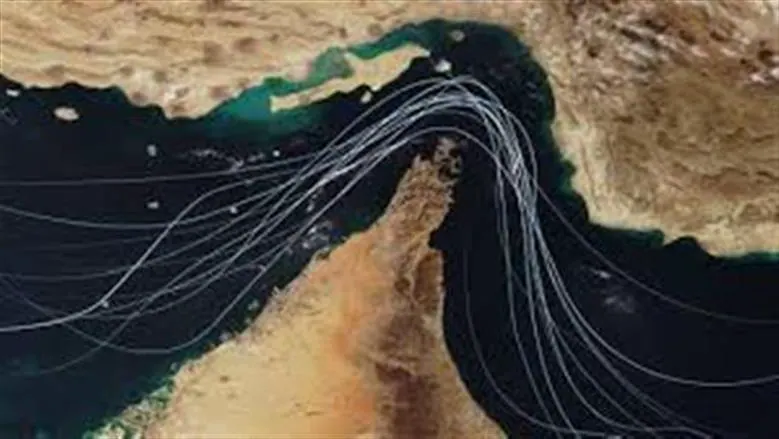
The Strait of Hormuz is a critical waterway for international oil shipments. Any disruption to shipping through the strait could have significant economic implications. Dr. Ahmed's insights underscore the need for diplomatic efforts to resolve the differences between the US and Iran. A resolution to the tensions could have far-reaching benefits for regional and global stability.
Egypt, as a key player in the region, is closely monitoring the developments between the US and Iran. Dr. Ahmed's comments reflect the interest of Egyptian experts in understanding the dynamics of international relations. The expert's analysis highlights the interconnectedness of global issues and the need for cooperation to address pressing challenges.
The current state of US-Iran relations remains uncertain. Diplomatic efforts are ongoing to address the differences between the two nations. Dr. Ahmed's insights provide valuable context for understanding the complexities of the situation. The international community remains engaged in efforts to find a peaceful resolution to the tensions between the US and Iran.
Key points
- The nuclear file and Strait of Hormuz are key points of contention between the US and Iran.
- The US demands that Iran halt uranium enrichment and address its stockpile of uranium enriched to 60%.
- A resolution to the tensions between the US and Iran could have far-reaching benefits for regional and global stability.